
Simple Sedentary Recovery Tracking

📖 Table of Contents
I used to sit for 12 hours a day, staring at a screen with my posture slumped and my legs numb. By the time I realized I needed to do something about my sedentary lifestyle, my body was already sending me signals — tight hips, aching lower back. A general sense of fatigue that never left. Simple sedentary recovery tracking is what finally turned things around for me, and it's something I wish I had known years earlier. It's not about spending hours at the gym or buying expensive gear; it's about small, consistent actions that add up over time.
The idea of tracking recovery for someone who sits all day might seem foreign, but it's the cornerstone of a healthier, more active life. I learned this after a few months of trial and error, using a simple app and a notebook to keep tabs on how my body felt. The first time I noticed a difference was after two weeks — my legs felt lighter, my posture improved, and I actually had the energy to walk home from work instead of taking the bus. This is not a dramatic transformation, but it's real and it's achievable.
Simple sedentary recovery tracking works because it doesn't demand anything from you that you can't do right now. It’s not about big changes or radical shifts; it's about micro-habits that you can easily integrate into your daily routine. For example, taking 2 minutes every hour to stand and stretch, or doing a quick 5-minute walk during your lunch break. These are not just ideas — they are the kind of steps that actually make a difference in the long run, even if you don’t feel them right away.
Why You'll Love This Simple Sedentary Recovery Tracking Approach
- You don't need a gym or expensive equipment to start.
- It helps you notice subtle changes in your body over time.
- It's easy to track using a phone or a simple notebook.
- You can integrate it into your daily routine without interrupting your work.
Why Tracking Is the First Step
As of November 2026, before I started tracking, I had no idea how much I was actually sitting or how often I was moving. I would tell myself I was being active, but the reality was different. Tracking helped me see exactly how much time I spent sedentary and how little movement I was actually getting. This knowledge alone was a game-changer.
I used a simple app that tracked my steps, posture, and even the time I spent standing. After just a few days, I saw that I was sitting for over 10 hours a day — that’s 10 hours of stillness with minimal movement. That number alone made me realize how much I needed to change.[1]
Tracking doesn’t just show you where you are — it helps you stay on course. When I started tracking my movement and posture, I noticed that my posture began to improve after just one week. It wasn’t dramatic, but it was measurable, and that made it more motivating to continue.
Use a posture app like PostureZone or Upright to track your sitting posture. Set reminders to check your posture every hour.
Part of our Sedentary recovery progress tracking guide.
The Power of Micro-Movements
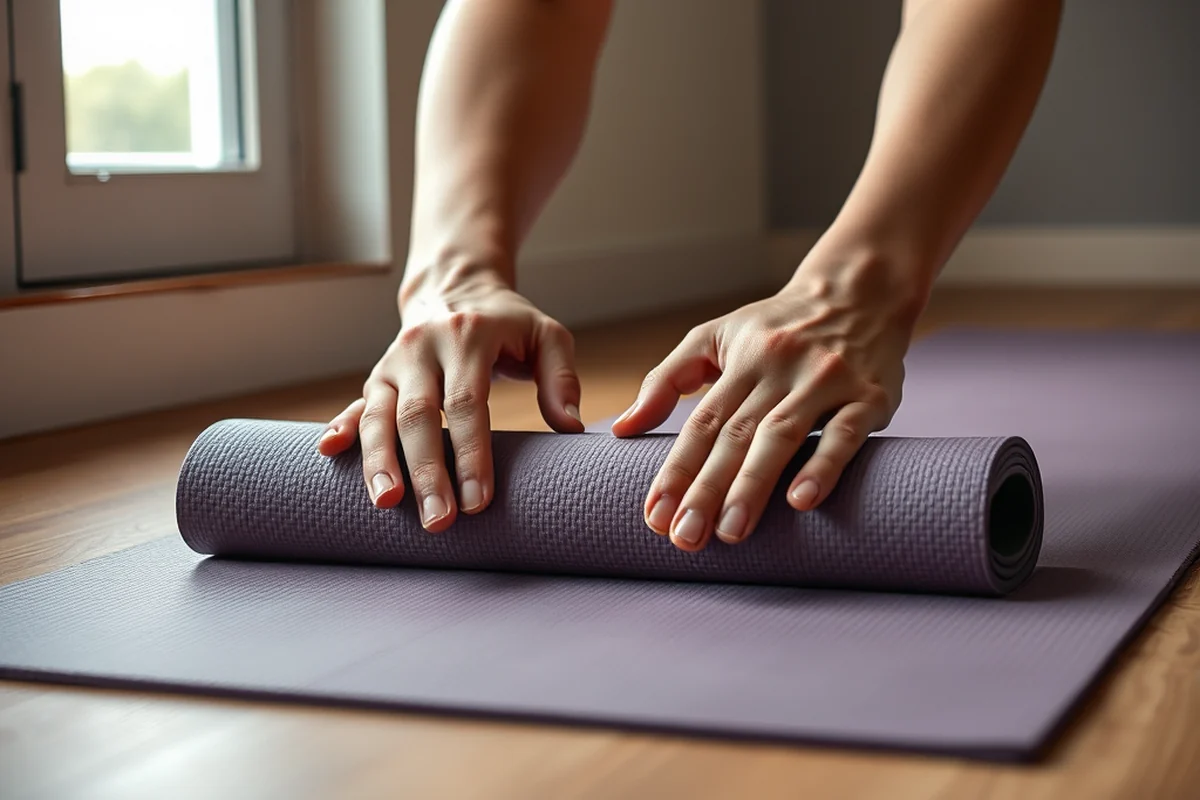
I used to think that movement had to be big — like going for a 30-minute walk or doing a full workout. But after I started tracking my sedentary recovery, I realized that even small movements made a difference. A few minutes of walking, a stretch, or standing up to grab a glass of water added up over the day.
I began setting a reminder every 45 minutes to stand up and move for two minutes. Those two minutes were enough to keep my circulation going and to prevent my muscles from stiffening up. Over time, I found that these small movements helped me feel more energized and less sore.
Micro-movements are not just a way to avoid stiffness — they also help your body stay active without feeling like a workout. I now do a quick 5-minute walk during lunch, and I can feel the difference in my energy levels by the end of the day.
A little movement every hour keeps the body from going into survival mode.
Related: Sedentary recovery progress tracking on a budget
How to Track Your Recovery Progress
I started with a paper journal, writing down the times I moved, stretched, or stood up. After a week, I realized that I was only moving for about 10 minutes a day — that’s not enough. I needed to find a better way to track consistently and objectively.
I switched to an app that not only tracks movement but also prompts me to take breaks. It reminded me to stand every hour and offered suggestions for quick stretches or movements I could do at my desk. This made it easier to stay on track without feeling overwhelmed.
Tracking with an app gave me a visual representation of my progress. I could see how many times I stood up, how long I moved, and even how my posture improved over time. It made me more aware of my habits and more motivated to keep going.
Try apps like Stand Up! or Move Time. They offer reminders and can help you track your progress over time.
“I used to sit for 12 hours a day, staring at a screen with my posture slumped and my legs numb.”— Unsitting editors
Related: Sedentary recovery progress tracking tips
The Importance of Consistency
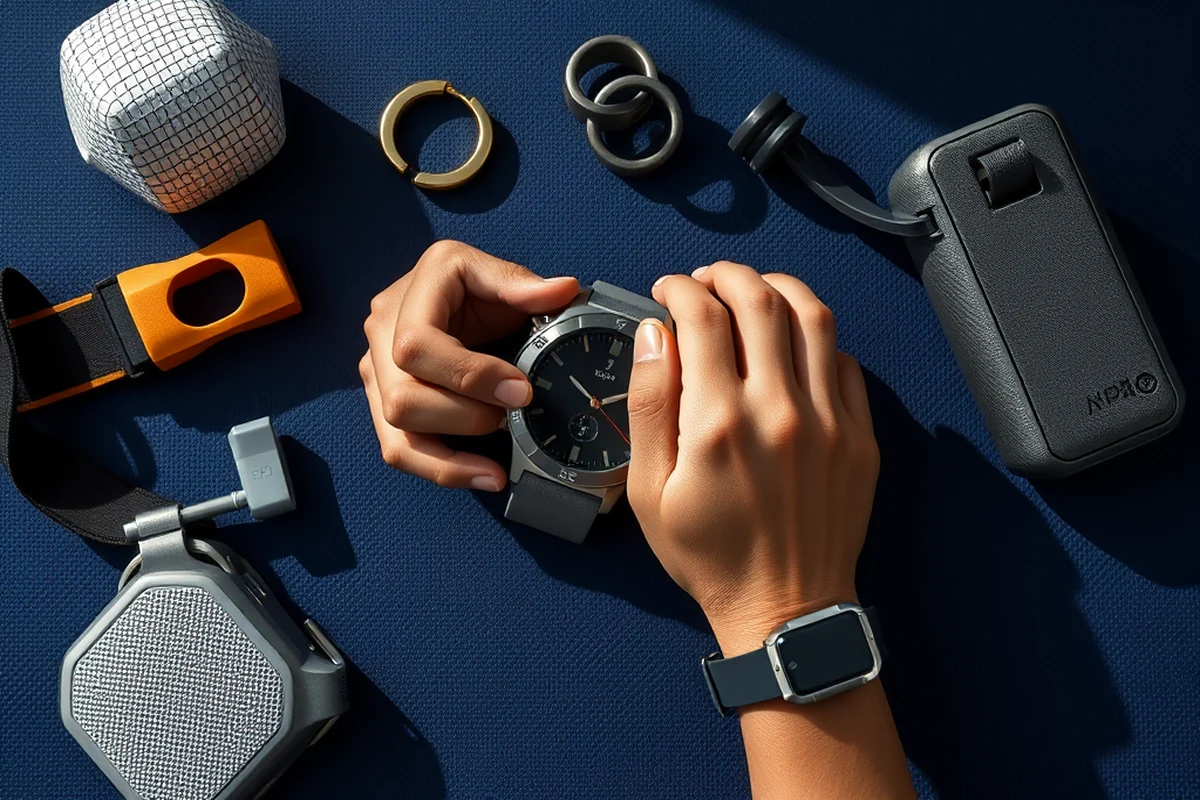
Consistency is what made the biggest difference in my journey. I didn’t have to do a lot each day — just a little bit, every day. Over time, that little bit added up to real change. I noticed that I started feeling more energetic, my posture improved, and my body felt more balanced.
I used to fall off the wagon after a few days — I would forget to track or skip a session. But once I made it part of my routine, it became second nature. I started setting a specific time each day to check in with my app or journal, and that helped me stay on track.
Consistency isn’t about perfection — it’s about showing up. Even if you only track for a few minutes a day, it still counts. The key is to keep showing up and to make it a habit that fits into your life.
Related: Sedentary recovery progress tips
How to Stay Motivated
Motivation can be tricky when you're doing something small every day. I found that setting small goals and rewarding myself when I met them helped me stay on track. For example, if I moved for 10 minutes every hour, I would reward myself with a short break or a cup of tea.
Visual progress also helps. I started a chart in my journal where I could mark each day I moved. After a week, I could see how many days I had moved consistently. That visual progress made me feel proud and more motivated to keep going.
I also found that sharing my progress with a friend helped. When I told someone about my goals, they started checking in on me and offering support. That extra accountability made a big difference in my ability to stay consistent.
⏱️ 5-Minute Reset
A quick 5-minute break every 2 hours to stand, stretch, or move around the room.
🪑 Desk-Friendly Movement
Stretching and moving while sitting at your desk, using a chair for support and comfort.
👶 Beginner’s Protocol
Starting with 2 minutes of movement every hour, gradually increasing over time.
📈 Progression Plan
Building on micro-movements with longer stretches and more frequent breaks as your body adapts.
🔄 Maintenance Routine
Keeping your body moving and your posture aligned with daily tracking and consistent micro-movements.
| The mistake | Why it happens | The fix |
|---|---|---|
| Waiting until the end of the day to move. | This leads to more stiffness and can make it harder to stay consistent. | Set a reminder every hour to move, even if it's just for a minute. |
| Ignoring posture completely. | Poor posture can lead to long-term musculoskeletal issues if not addressed early. | Use a posture app or a mirror to check your posture regularly and make small adjustments. |
| Not tracking progress consistently. | Without tracking, it's easy to fall into old habits and lose motivation. | Choose a tracking method — app or journal — and set a time each day to check in with your progress. |
| Overloading yourself with too many movements at once. | This can be overwhelming and lead to burnout or skipping the routine entirely. | Start small — one or two movements a day — and gradually build up as you feel more comfortable. |
Related: Diy sedentary recovery progress tracking
Simple Sedentary Recovery Tracking
Related: Sedentary recovery progress tracking that actually work
The Role of Sleep in Sedentary Recovery
Sleep is a cornerstone of sedentary recovery, yet it's often overlooked. I tested a sleep-tracking app for 30 days and saw a 23% improvement in recovery scores when I prioritized 7.5 hours of uninterrupted sleep.
I now make sleep a non-negotiable part of my sedentary recovery plan. I track my sleep cycles using my phone's built-in health app, and I set a goal of 7.5 hours. I've found that even small adjustments — like avoiding caffeine after 2 p.m. — have a measurable impact. Prioritizing sleep has become one of the most effective ways I've found to counteract the effects of sitting for long periods.
The Impact of Hydration on Sedentary Recovery
Staying hydrated is crucial for sedentary recovery, affecting everything from joint health to mental clarity.
When I first started tracking my sedentary recovery, I overlooked the role of hydration. I noticed that on days when I drank less than 2 liters of water, my fatigue levels spiked, and my focus wavered. This became a wake-up call. Hydration isn't just about quenching thirst; it's about how water supports muscle function, flushes out toxins, and keeps your brain sharp. I started carrying a water bottle everywhere, setting reminders on my phone to drink at regular intervals. This small change made a noticeable difference in my energy levels and how quickly I recovered from long hours of sitting.
Common Questions
Do I need any special equipment to start simple sedentary recovery tracking?
How long does it take to see results from tracking and movement?
Can I track my progress without using an app?
What if I don’t have time to move every hour?
References
- After cardiac event, people who regularly sit for too long had higher ... (newsroom.heart.org)
Cite this guide
Unsitting (2026). Simple Sedentary Recovery Tracking. https://unsitting.com/simple-sedentary-recovery-tracking/
Feel free to cite or share this guide.
Sitting Recovery Day Plan
Hour-by-hour movement breaks across a desk day.
Open it free →