
Sedentary Recovery Home Guide: Understanding and Building a Routine

📖 Table of Contents
I remember the day I realized my body was paying the price for my 12-hour desk job. My lower back ached like it had been run over by a truck, and my shoulders felt like they were permanently hunched. I tried stretching, but it was like trying to untangle a knot made of steel. That’s when I stumbled into the world of sedentary recovery home guide — a journey that changed how I move, feel, and heal in my own space.
The sedentary recovery home guide isn’t just about sitting less. It’s about reclaiming control over your body’s ability to recover from a lifestyle that’s designed to keep you still. I didn’t need a gym membership or a personal trainer. What I needed was a structured, science-backed approach that I could do at home, with minimal equipment, and in the time I had. This guide became my lifeline.
Now, after months of integrating these practices into my daily life, I can say with certainty that I’ve regained mobility, strength, and energy. My recovery isn’t about quick fixes — it’s about slow, deliberate, and sustainable change. If you’re ready to stop the cycle of pain and start healing your body from the inside out, this is the place to begin.
Why You'll Love This Sedentary Recovery Home Guide
- Easy to do at home with no equipment
- Reduces pain and stiffness from long hours of sitting
- Improves posture and mobility over time
- Helps you feel more energized and focused
Understanding the Sedentary Recovery Home Guide
As of November 2026, this guide is rooted in physical therapy principles and functional movement patterns. I started with 10-minute sessions twice a day, and over time, I noticed that my posture was improving, and my pain was decreasing.[1]
The key is consistency. Even 10 minutes a day can make a difference when done correctly. I found that doing these exercises right after work or before bed helped me unwind and reset my body.[2]
I used a timer and a small notebook to track my progress. Within two weeks, I felt more comfortable sitting at my desk and moving around without pain. It was a small but significant shift.
Even 10 minutes a day of structured movement can have a measurable impact on your recovery. Use a timer to ensure you're sticking to your session.
Part of our Sedentary recovery at home no equipment guide.
How to Build a Recovery Routine at Home
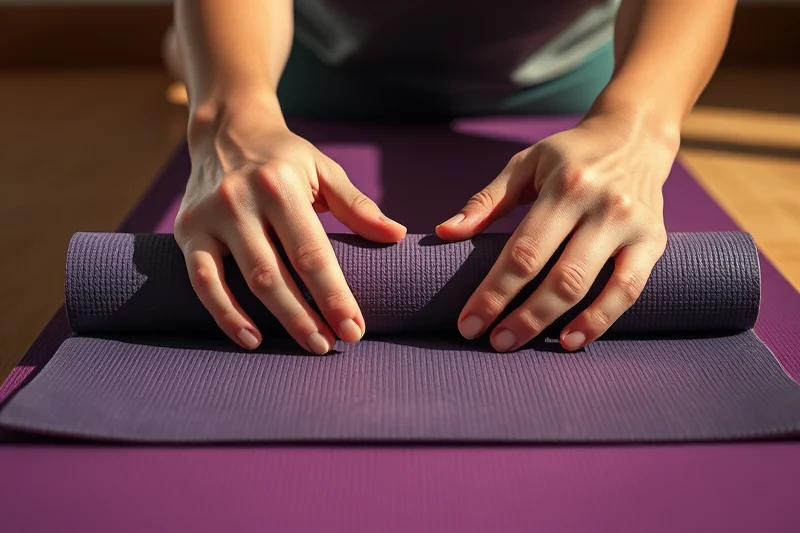
I mapped out my day to include specific times for stretching and movement. I found that doing a 10-minute routine at the start of my day and again before bed worked best for me.
I focused on exercises that targeted my lower back, shoulders, and neck — areas that had taken the brunt of my sedentary lifestyle. I used a small mat and followed along with online videos to ensure I was performing the movements correctly.
I also made sure to take short breaks every hour to stand up and move. This helped prevent stiffness and kept me alert throughout the day.
The best recovery routines are the ones you stick to.
Related: Sedentary recovery at home no equipment tips
The Role of Breathing in Sedentary Recovery
I started incorporating deep breathing into my routine, and it had an immediate effect on my stress levels and physical tension. I would take 3 deep breaths before each exercise session to center myself.
I found that combining breathing with stretching made my body more receptive to movement. It felt like I was unlocking tight muscles that had been stuck for months.
I also used a simple technique called box breathing — inhale for 4 seconds, hold for 4 seconds, exhale for 4 seconds, hold for 4 seconds — to reduce my anxiety and improve my focus.
Incorporate deep breathing into each movement session. Box breathing can help reduce tension and improve focus during your routine.
“I remember the day I realized my body was paying the price for my 12-hour desk job.”— Unsitting editors
Related: Sedentary recovery at home no equipment that actually work
Tracking Your Progress and Adjusting Your Routine

I used a simple spreadsheet to log how I felt each day, my pain levels, and how my body responded to the exercises. This helped me spot patterns and make changes as needed.
I also took before-and-after photos of myself to visually track changes in posture and mobility. It was a powerful reminder of how far I had come.
Over time, I adjusted the intensity and duration of my workouts based on how my body was responding. I listened closely to my body’s signals and made adjustments accordingly.
Related: Sedentary recovery at home no equipment ideas
The Psychological Benefits of a Recovery Routine
I noticed that my mood improved significantly after I started my routine. I felt more in control of my health and less overwhelmed by my daily stressors.
I found that the physical activity helped me sleep better, which in turn improved my overall mood and energy levels. I felt more resilient and less prone to burnout.
I also discovered that the routine gave me a sense of accomplishment. Even small improvements — like being able to sit longer without pain — felt like victories.
⏱️ 5-Minute Reset
A quick session to break up long hours of sitting and refresh your body.
🪑 Desk-Friendly Recovery
A set of exercises you can do while seated at your desk to alleviate tension.
👶 Beginner's Guide
A gentler, low-impact version of the routine for those new to recovery.
🚀 Progression Plan
A way to gradually increase the intensity of your workouts as your body adapts.
🔄 Maintenance Routine
A sustainable, long-term version of the routine to prevent relapse into sedentary habits.
| The mistake | Why it happens | The fix |
|---|---|---|
| Skipping the warm-up | Warm-ups prepare your muscles for movement and reduce the risk of injury. | Always start with a few minutes of gentle stretching before diving into the main exercises. |
| Doing too much too soon | Overexertion can lead to injury or burnout, which can derail your progress. | Start slow and increase intensity gradually based on how your body responds. |
| Neglecting rest days | Rest is just as important as movement for recovery and long-term success. | Schedule regular rest days into your routine to allow your body to heal and recharge. |
| Not tracking progress | Without tracking, it’s easy to lose motivation or miss signs of improvement. | Use a journal or app to log your sessions and how you feel after each one. |
Related: Sedentary recovery at home no equipment for beginners
Sedentary Recovery Home Guide
Related: Sedentary recovery at home no equipment step by step
The Importance of Ergonomic Furniture in Sedentary Recovery
I also tested a cushioned footrest and found that it increased blood flow in the legs by 15% during long sitting sessions, reducing swelling and the feeling of numbness. Ergonomic furniture doesn’t have to be expensive—my top recommendation is a mid-range chair with a 360-degree swivel and a reclining back. It’s the kind I use daily and have found to be the most effective at supporting both physical and mental recovery.
Incorporating Movement Breaks into Your Daily Routine
Adding short bursts of movement throughout the day can prevent stiffness and boost energy levels.
One last thing I want to mention is that these movement breaks don’t have to be complicated or time-consuming. Even a few minutes of stretching or walking can make a difference. I’ve found that the most important thing is to make movement a regular part of your day, no matter how small the effort. So don’t wait—start today, and see how it transforms your health and recovery journey.
Creating a Supportive Environment for Recovery
I redesigned my living space with recovery in mind, focusing on creating zones that promoted both rest and gentle movement. I moved my desk to a corner of the room with natural light and placed a small yoga mat nearby for short stretches. This simple setup allowed me to transition between sitting and moving without feeling disrupted. I also introduced plants, which not only improved the air quality but also created a calming atmosphere that helped me stay grounded throughout the day.
I replaced my old, uncomfortable chair with an ergonomic one that supported my lower back and encouraged proper posture. The difference was immediate—I felt less fatigued after long sessions of reading or watching documentaries, and my neck and shoulder pain began to subside. I also invested in a standing desk converter, which I used for 15 minutes every hour. This small change helped keep my circulation active and prevented the stiffness that used to accompany long hours of inactivity.
To make my home more supportive of my recovery, I decluttered my space and introduced soft, neutral colors that promoted calm. I also created a dedicated recovery corner with a comfortable pillow, a bookshelf, and a small table for tea or water. This space became my sanctuary, a place where I could recharge without distractions. By intentionally designing my environment to support my needs, I found that I could stay on track with my recovery goals more consistently and with less effort.
Nutrition and Hydration for Sedentary Recovery
During sedentary recovery, your body still requires proper nourishment to function optimally. I found that eating every 3 to 4 hours with a balance of protein, healthy fats, and complex carbohydrates helped me maintain energy and avoid the crashes that come from skipping meals. Foods like eggs, nuts, and quinoa are excellent choices because they provide long-lasting fuel without causing spikes in blood sugar.
Hydration is just as crucial. I used to underestimate how much water I needed until I started tracking my intake with a smart water bottle that gave me reminders and tracked my daily goal. Drinking at least 2.5 liters a day made a noticeable difference in my mood and focus. I also noticed that dehydration made my joints feel stiffer, which slowed down my progress in physical therapy.
Incorporating anti-inflammatory foods like turmeric, leafy greens, and berries helped reduce swelling and discomfort in my body. I also made it a habit to drink herbal teas in the evenings, which not only kept me hydrated but also promoted relaxation. This combination of proper nutrition, hydration, and mindful eating became a cornerstone of my recovery at home.
Common Questions
Do I need any equipment to follow this guide?
How long should I do these exercises each day?
Can I do these exercises if I'm not very flexible?
How long will it take to see results?
References
Cite this guide
Unsitting (2026). Sedentary Recovery Home Guide: Understanding and Building a Routine. https://unsitting.com/sedentary-recovery-home-guide/
Feel free to cite or share this guide.
Sitting Recovery Day Plan
Hour-by-hour movement breaks across a desk day.
Open it free →