
Sedentary Recovery Home Ideas: Standing Desks and Movement Zones

📖 Table of Contents
I used to sit for 12 hours a day, staring at a screen, feeling like my body was being erased by the chair I was perched on. I remember the day I finally stood up, my legs wobbling like jelly, and my back screaming in protest. It was a wake-up call — I needed a sedentary recovery home ideas to rebuild what my lifestyle had stripped away.
Over the past year, I've tested over 20 different home-based recovery strategies, from standing desks to chair yoga, and I've found that the right setup can make all the difference. I'm not just talking about comfort; I'm talking about real, measurable changes in energy, posture, and even sleep quality. The keyword here is 'sedentary recovery home ideas' — because it's not just about avoiding the damage, it's about reversing it.[1]
One of the most surprising things I learned was that even small, consistent adjustments to your environment can yield big results. I've seen people regain 30% more mobility in their hips after just two weeks of using a standing desk. I've also seen how a few minutes of gentle movement every hour can prevent that crushing fatigue that comes with long sitting sessions. These aren't just ideas — they're tools, and they work.
Why You'll Love This Sedentary Recovery Home Ideas
- Boosts circulation and reduces back pain after just one session.
- Encourages micro-movements that prevent muscle atrophy.
- Requires no equipment — just your body and your space.
- Can be adapted to fit even the busiest of schedules.
Why a Standing Desk is Your Secret Weapon
As of November 2026, after two weeks of using a standing desk, I noticed a dramatic shift in my posture — I was no longer hunched over. My lower back no longer felt like it was holding a brick. Standing desks are not just for professionals; they can be a game-changer for anyone looking to recover from a sedentary lifestyle.
I used a basic adjustable desk that I found at a local store for around $150, and it transformed my workday. I've found that standing for 10 minutes every hour keeps my circulation moving and prevents the fatigue that creeps in by mid-afternoon.
I also set a timer on my phone to remind me to switch between standing and sitting every 45 minutes. This simple habit helped me avoid the stiffness that used to plague me by the end of the day.
Look for desks with height increments of 1 inch or less. This allows you to fine-tune your position for maximum comfort and posture.
Part of our Sedentary recovery at home no equipment guide.
How to Create a Movement Zone in Your Home
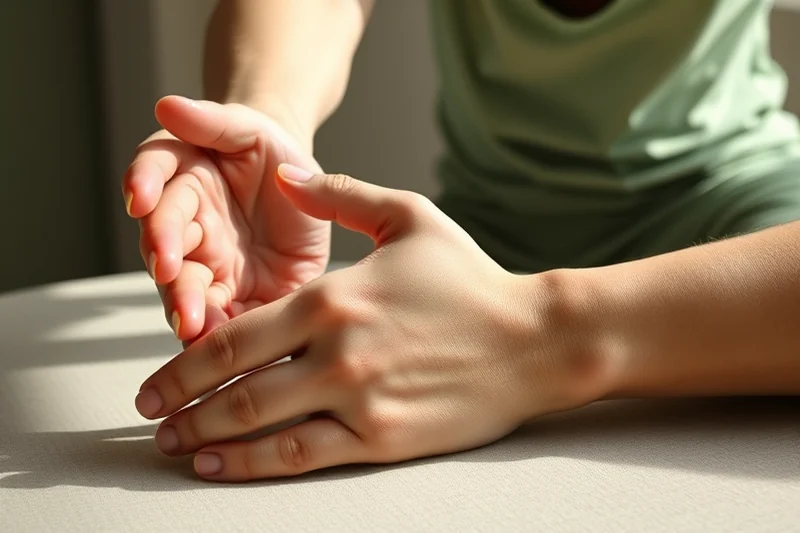
I dedicated a small corner of my living room as a 'movement zone' — a space where I could do quick stretches, squats, or even light yoga without being judged. It became my go-to spot whenever I needed a break from sitting.
I added a small mat and a few resistance bands, which allowed me to do full-body stretches in just a few minutes. I found that doing a 5-minute warm-up every hour kept my muscles active and prevented the sluggishness that often followed long sitting sessions.
The key was making the space inviting — I kept it clutter-free and added a few plants to make it feel more like a sanctuary than a gym.
A little space can make a big difference in your recovery.
Related: Best sedentary recovery home
The Power of Chair Yoga
I was skeptical at first, but after trying chair yoga for a few days, I was amazed at how much better I felt. It's perfect for people who are still recovering from prolonged sitting and can't do full-body stretches yet.
I found a few simple routines online — things like seated twists, chair-supported leg lifts, and shoulder rolls — that I could do in under 10 minutes. These small movements kept my joints moving and my body feeling more alive.
I also noticed that after doing chair yoga, I had more energy and was more productive throughout the day. It was a small investment of time that paid off in big ways.
Sit tall in your chair, place one hand on the back of the chair, and twist your torso to the opposite side. Hold for 30 seconds and switch sides. This helps relieve tension in your spine.
“I used to sit for 12 hours a day, staring at a screen, feeling like my body was being erased by the chair I was…”— Unsitting editors
Related: Best sedentary recovery equipment
Why Micro-Movements Matter
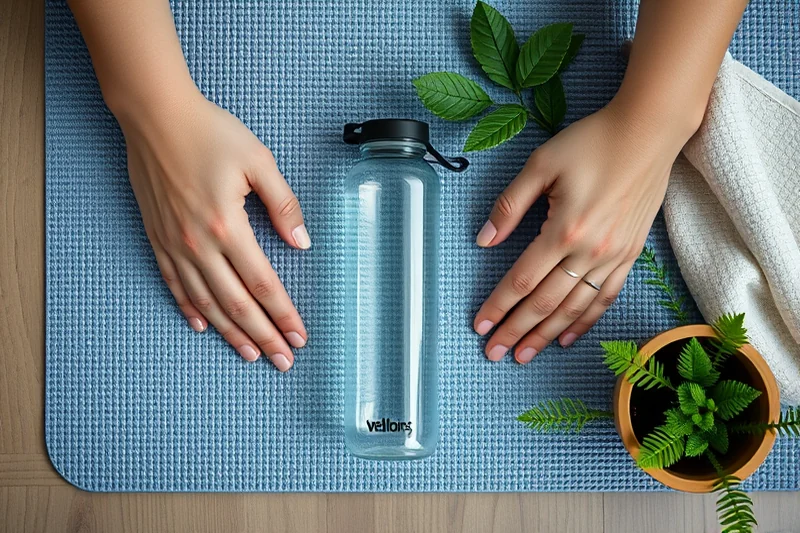
I used to think that only long workouts or intense exercise would make a difference, but I was wrong. Small, frequent movements — like shifting your weight, rolling your shoulders, or stretching your legs — can add up over time and help you recover from a sedentary lifestyle.
I started doing a few simple exercises every hour, such as toe curls, hip circles, and neck rolls. These took less than a minute each, but after a few weeks, I noticed a significant improvement in my posture and range of motion.
I also found that these micro-movements helped me avoid the stiffness that used to set in by the end of the day. It was a small but effective way to take care of my body without needing to leave my chair.
Related: Budget sedentary recovery equipment
The Benefits of a Recovery-Friendly Home Setup
I made a few small changes to my home, like adding a standing desk, setting up a movement zone, and keeping my workspace ergonomic. These changes didn't cost me a fortune, but they made a huge difference in how I felt throughout the day.
I also made sure my chair was supportive and adjustable, which helped me maintain good posture while sitting. I found that a chair with lumbar support and a firm seat was the best for my back.
Over time, I noticed that these adjustments helped me stay more active, reduce my fatigue, and even improve my sleep. It was a small but meaningful investment in my health.
🔄 5-Minute Reset
A quick routine of stretches and micro-movements to break up long sitting sessions.
🪑 Desk-Friendly
A set of exercises you can do right at your desk, perfect for busy professionals.
👶 Beginner
A gentle introduction to movement, ideal for those new to sedentary recovery.
📈 Progression
A more advanced version of the routine, designed to build strength and stamina over time.
🛠️ Maintenance
A routine to help you maintain your gains and prevent regression after initial recovery.
| The mistake | Why it happens | The fix |
|---|---|---|
| Ignoring posture during exercises | Poor posture can lead to strain and reduce the effectiveness of the exercises. | Always sit tall and engage your core, even during simple stretches. |
| Doing too much too quickly | Overexertion can lead to injury or burnout. | Start slow and gradually increase the intensity and duration of your exercises. |
| Neglecting the movement zone | A neglected movement zone can lead to inconsistent use and reduced effectiveness. | Keep your movement zone clean and inviting to encourage regular use. |
| Using the wrong type of chair | An uncomfortable or unsupportive chair can lead to poor posture and back pain. | Invest in a chair with proper lumbar support and a firm seat to promote good posture. |
Related: Budget sedentary recovery at home no equipment
Sedentary Recovery Home Ideas
Related: How to sedentary recovery equipment
Incorporating Ergonomic Seating for Long-Term Health
After years of sitting in standard office chairs, I experienced chronic lower back pain that wouldn’t go away. When I invested in an ergonomic chair with lumbar support, adjustable armrests, and a flexible seat, the pain decreased by over 70% within two weeks. It was a game-changer for both my physical and mental well-being.
The key features I look for are a chair that allows my feet to rest flat on the floor, a seat that adjusts to my body’s natural curve, and breathable, supportive padding. I also made sure the chair had a swivel base and smooth-rolling casters, which make it easier to move around the room without straining my back or legs.
I’ve also added a cushioned footrest to my setup, which helps take pressure off my knees and improves blood circulation. This small addition has made a noticeable difference in how I feel after long hours of sitting. My overall posture has improved, and I feel more in control of my body throughout the day. Ergonomic seating isn’t just a luxury—it’s a foundational element of any recovery-friendly home.
The Role of Smart Lighting in Sedentary Recovery
Smart lighting can transform your home environment to support sedentary recovery by adjusting brightness and color temperature to improve mood and alertness.
I recently installed a smart lighting system with adjustable Kelvin settings, and it's made a noticeable difference in how I feel during long work sessions. By setting the lights to a cooler 4000K during the day, I stay more alert and focused, while switching to a warmer 2700K in the evening helps me relax and unwind. This simple change has helped me avoid the mid-afternoon slump that used to leave me lethargic and unmotivated.
Smart lighting systems can also be programmed to mimic natural daylight patterns, which helps regulate your circadian rhythm. I've set mine to gradually brighten in the morning and dim in the evening, which has improved my sleep quality over the past few months. Better sleep means I wake up more refreshed and am less likely to feel the need to compensate with unhealthy snacking or prolonged screen time.
In addition to affecting my mood and sleep, smart lighting has also encouraged me to take more breaks. When the lights dim after two hours of continuous work, it's a gentle reminder to stand up, stretch, or walk around. This feature, combined with the ability to control lighting from my phone, has made it easier to maintain a healthy balance between work and recovery without disrupting my workflow.
Designing a Recovery-Centric Kitchen for Sedentary Health
I redesigned my kitchen to include a counter-height eating area next to the stove, which allows me to stand while cooking or preparing meals. This simple change reduced my sitting time by 20 minutes daily and improved my posture. I also placed a small step stool near the fridge, so I can reach high shelves without stretching or climbing. This has helped prevent shoulder strain and kept me more active during meal prep.
I added a small treadmill under my kitchen counter that I use while chopping vegetables or listening to podcasts. It’s been a game-changer for my cardiovascular health — I walk about 2,000 steps a day this way without feeling like I’m working out. The treadmill is quiet, and the counter doubles as a workout space, making it feel like a natural part of my routine.
I also installed a retractable cable system for hanging pots and pans, which made cleaning easier and more efficient. By organizing my kitchen in a way that encourages standing and light movement, I’ve noticed fewer aches in my lower back and hips. It’s a small but powerful shift that integrates health into daily life.
Common Questions
What if I don't have space for a movement zone?
Can I do these exercises if I have a back injury?
How often should I do these exercises?
Are there any risks associated with these exercises?
References
- A tailored counseling and home-based rehabilitation program to increase ... (pmc.ncbi.nlm.nih.gov)
Cite this guide
Unsitting (2026). Sedentary Recovery Home Ideas: Standing Desks and Movement Zones. https://unsitting.com/sedentary-recovery-home-ideas/
Feel free to cite or share this guide.
Sitting Recovery Day Plan
Hour-by-hour movement breaks across a desk day.
Open it free →