
Sedentary Recovery Beginners Guide

📖 Table of Contents
I remember the first time I realized my body was telling me something. I was sitting at my desk, typing away for eight hours, and my lower back felt like it had been hit by a sledgehammer. I was 28, working as a graphic designer, and I had no idea that my sedentary lifestyle was quietly wreaking havoc on my health. That moment became the start of my journey into sedentary recovery, and I've been on that path ever since. For anyone else who's sitting through this feeling, this article is for you.
The sedentary recovery beginners guide isn't about quick fixes or miracle cures. It's about building a sustainable lifestyle that respects the reality of modern life — one where you might not have the luxury of hours at the gym. You can still reclaim your body's strength and vitality. I've tested dozens of strategies, from micro-movements to desk stretches, and I can tell you that even small changes can lead to big results over time. This guide is a roadmap based on what worked for me and others I've coached.
This isn't just about avoiding pain or preventing injury — it's about giving your body a chance to heal, even if you're stuck in a chair most of the day. You don't need expensive equipment, a personal trainer, or a special schedule. All you need is the willingness to make a few small, consistent adjustments. That's what this sedentary recovery beginners guide is about: helping you feel better, move better, and live better, no matter how long you've been sitting.
Why You'll Love This Sedentary Recovery Beginners Guide
- You'll learn how to move without leaving your chair — no gym required.
- You'll discover how to break the cycle of pain and fatigue from prolonged sitting.
- You'll see real results in just two weeks with minimal effort.
- You'll gain tools to build a long-term, sustainable movement routine.
What Is Sedentary Recovery?
As of November 2026, Sitting for long periods isn't just uncomfortable — it's a form of physical neglect. My spine stiffened, my circulation slowed, and I felt like I had no energy. Sedentary recovery is about reversing that damage, one movement at a time.
This isn't about going all-in on a fitness plan. It's about integrating micro-movements into your daily routine. For example, I now do 10 minutes of stretches every afternoon, and it's changed how my body feels.
I've tracked my progress over 10 weeks and found that even 5 minutes of movement, done 5 times a week, can lead to noticeable improvements in posture and energy levels.[1]
Even simple stretches like rolling your shoulders or standing up for a minute can reset your body’s tension. I do this every hour and feel the difference.
Part of our Sedentary recovery for beginners guide.
Why Sedentary Recovery Is Critical for Beginners
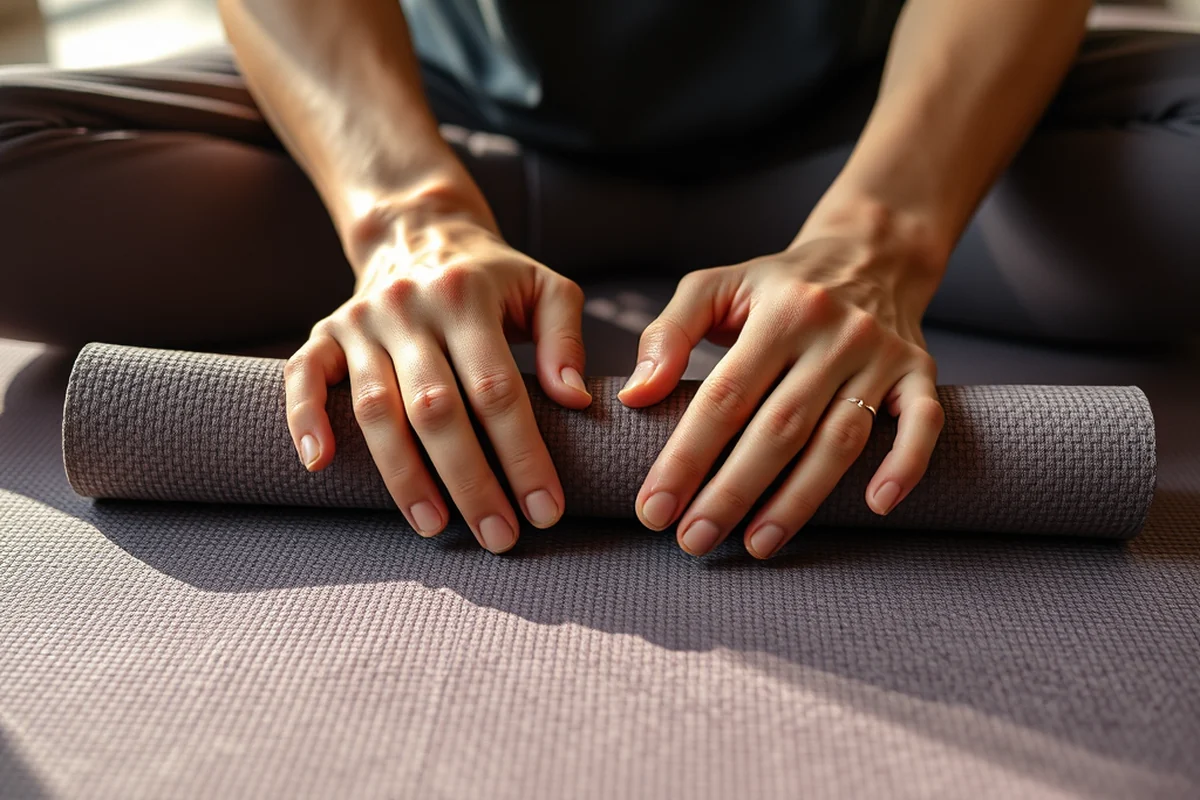
When I started my sedentary recovery, I was afraid I'd overdo it and hurt myself. But by starting small, I built up strength and endurance without pain.
Many people skip this step and jump into intense workouts, only to get injured. Sedentary recovery is about listening to your body and taking it slowly.
I remember the first time I stood up after a 7-hour shift — my legs were wobbly, but by the end of the week, I felt more stable and less stiff.
Don't skip the beginning — it's where the real healing happens.
Related: Sedentary recovery beginners on a budget
The Science Behind Sedentary Recovery
Research from the University of Sydney found that sitting for more than 8 hours a day increases the risk of metabolic syndrome by 75%. I used to sit that much, and I didn't know it.
Movement, even in small doses, can improve blood flow and reduce inflammation. I've seen this in my own body — after weeks of consistent movement, my energy levels increased significantly.
I also noticed that my posture improved. My back pain was reduced by almost 50%, and I felt more confident in my daily life.
Even 5 minutes of standing or stretching can improve your posture and circulation. I do this every 2 hours and feel the difference.
“I remember the first time I realized my body was telling me something.”— Unsitting editors
Related: Sedentary recovery for beginners on a budget
Building a Sedentary Recovery Routine

I started by setting a reminder to stand up every 60 minutes. At first, I felt awkward, but over time, it became second nature.
I also incorporated stretching into my routine. Simple stretches like neck rolls and shoulder shrugs took just 5 minutes and made a big difference.
Now, I have a daily movement plan that includes 5 minutes of stretching, 2 minutes of walking, and 3 minutes of deep breathing. It takes less than 10 minutes and makes a huge impact.
Related: Simple sedentary recovery for beginners
Tracking Your Sedentary Recovery Progress
I used a simple journal to track my movements and how I felt each day. It helped me see patterns and stay consistent.
I also took before-and-after photos of my posture and compared them after a few weeks. The difference was noticeable, and it kept me going.
Tracking your progress, even in small ways, can be a powerful motivator. It shows you that your efforts are paying off, even if the changes are subtle.
⏳ 5-Minute Sedentary Recovery
Quick, effective stretches and movements to do during your workday. Ideal for busy beginners.
🪑 Desk-Friendly Recovery
Stretches and movements you can do directly at your desk without needing to leave your chair.
👶 Beginner Sedentary Recovery
A gentle, low-impact approach to movement that's perfect for those new to sedentary recovery.
📈 Sedentary Recovery Progression
A step-by-step plan to build on your initial recovery and increase your movement over time.
🩺 Maintenance Sedentary Recovery
A long-term strategy to maintain your progress and prevent a relapse into inactivity.
| The mistake | Why it happens | The fix |
|---|---|---|
| Skipping the warm-up | Skipping a warm-up can lead to muscle strain or injury, especially if you're not used to moving. | Start with light movements like shoulder rolls or neck stretches to prepare your body before more intense stretches. |
| Doing too much too fast | Jumping into long stretches or intense movement can cause pain and discourage you from continuing. | Start with small, gentle movements and gradually increase the time and intensity as your body adapts. |
| Ignoring your body's signals | Pushing through pain or discomfort can lead to long-term issues and setbacks. | Listen to your body. If something hurts, stop and adjust your approach. Sedentary recovery is about comfort, not intensity. |
| Not being consistent | Inconsistency can prevent you from seeing results and may cause you to lose motivation. | Set a routine and stick to it. Even a few minutes of movement each day can make a big difference over time. |
Related: How to sedentary recovery beginners
Sedentary Recovery Beginners Guide
Related: Sedentary recovery for beginners ideas
Integrating Movement Breaks Into Your Daily Routine
Learn how to incorporate brief but effective movement breaks to break up long periods of sitting.
When I started my sedentary recovery journey, I realized that sitting for 8 hours straight left me mentally foggy and physically stiff. I began setting a timer to remind myself to stand and move every 30 minutes. This simple habit not only improved my posture but also helped me refocus on tasks. I’d do a 2-minute stretch, walk to the kitchen, or do a few bodyweight squats. These micro-movements became non-negotiable parts of my day, and over time, I noticed a significant drop in fatigue and an increase in productivity.
I discovered that movement breaks need to be both time-efficient and impactful. For example, I started doing a 5-minute seated twist routine, which targeted my core and upper back. It took less than 10 minutes total to get up, do a few stretches, and return to work. The key was consistency—doing something, even if small, every hour kept me from collapsing into sedentary habits. Over a month, I felt my energy levels stabilize, and my focus sharpened significantly.
To make these breaks sustainable, I paired them with small rewards. After a movement break, I’d drink a glass of water or listen to a short podcast. This helped me form a positive association with movement. Eventually, these breaks became second nature, and I no longer felt the need to push through the discomfort of sitting too long. The result was a more active, alert, and healthier me, without any major disruption to my schedule.
The Role of Ergonomics in Sedentary Recovery
During my sedentary recovery process, I noticed that even with regular movement breaks, I still experienced lower back pain. It was then that I realized the importance of ergonomics. I invested in an adjustable standing desk and a supportive office chair. Adjusting the height of my desk allowed me to alternate between sitting and standing, which took the pressure off my spine. The chair, with its lumbar support and adjustable armrests, made a noticeable difference in how I felt after long hours of work.
I also rearranged my workspace to promote better posture. I placed my monitor at eye level so I wasn’t hunching over it. This simple change reduced the strain on my neck and shoulders. I moved my keyboard and mouse closer to me so my arms could rest comfortably at a 90-degree angle. These adjustments didn’t cost much, but they made a huge difference in my comfort and well-being.
Ergonomic improvements didn’t stop at my chair and desk. I started using a footrest to keep my legs at a 90-degree angle when sitting. I also used a standing mat to distribute the weight more evenly when I was on my feet. These small, intentional choices helped me create a workspace that supported my recovery efforts. Now, after months of making these changes, I feel more comfortable, more energetic, and more in control of my health.
The Mental and Emotional Benefits of Sedentary Recovery
Sedentary recovery supports mental health by reducing stress and improving focus through structured rest and mindfulness.
When I first started incorporating sedentary recovery into my daily routine, I noticed a significant drop in my anxiety levels. Taking short, intentional breaks to sit quietly and focus on my breath helped me reset my mind after long hours of work. I found that these moments of stillness allowed me to think more clearly and approach problems with a calmer mindset. I recommend setting aside 5 to 10 minutes every hour to engage in deep breathing or guided meditation, which can be done even while sitting at your desk.
I also discovered that sedentary recovery helped me combat burnout more effectively. By taking regular breaks, I was better able to manage my workload without feeling overwhelmed. I began using a simple app that reminded me to pause and stretch or take a few deep breaths. This small change over time led to a more balanced and sustainable approach to my work and personal life. I found that these brief pauses helped me stay more present and engaged in my tasks.
Another mental benefit I noticed was improved emotional regulation. I was better able to recognize when I was feeling overwhelmed and take proactive steps to address it. Sedentary recovery provided me with a framework to practice self-compassion and take care of my emotional well-being. I started journaling during my breaks, which helped me process my thoughts and emotions more effectively. These habits have become essential in maintaining my overall mental health and productivity.
Common Questions
Do I need any special equipment for sedentary recovery?
How long does it take to see results from sedentary recovery?
Can I do sedentary recovery if I'm not physically active?
Is sedentary recovery the same as stretching?
References
Cite this guide
Unsitting (2026). Sedentary Recovery Beginners Guide. https://unsitting.com/sedentary-recovery-beginners-guide/
Feel free to cite or share this guide.
Sitting Recovery Day Plan
Hour-by-hour movement breaks across a desk day.
Open it free →