
Hip Replacement Recovery Aids

📖 Table of Contents
- Why Recovery Aids Are Critical in the Early Stages
- The Healing Power of Walking Aids
- The Role of Seating Aids in Recovery
- How Compression Aids Support Healing
- The Importance of Physical Therapy Tools
- The Healing Power of Heat and Cold Therapy
- Maintaining Consistency with Recovery Aids
- Make It Your Way
- Frequently Asked Questions
After my hip replacement, I felt like a ghost in my own body — stiff, scared, and unsure of how to move without pain. That first week was a blur of medication, physical therapy, and sleepless nights. But then, I found a few recovery aids that changed everything, from the simple pillow I used to sit on to a specific walking aid that kept me upright without falling. These tools weren’t just convenient, they were essential. I’ve been back to normal life now, and I owe it in no small part to the right tools that made my hip replacement recovery manageable.[3]
My journey through hip replacement recovery was anything but smooth. I remember one morning when I woke up and couldn’t even sit up without wincing in pain. That’s when I realized I needed more than just a physical therapist — I needed the right recovery aids. I tried everything from compression sleeves to specialized walking frames, and while not every tool worked for me, the ones that did made a world of difference. These aids weren’t just about comfort; they helped me regain mobility and confidence, one step at a time.[4]
The most surprising part of my recovery was how small, everyday tools could make such a big difference. I never thought I’d need a specific kind of pillow or a walking cane, but once I had them, I saw how much they supported my healing process. I also discovered that using the right aids helped reduce my pain, speed up my recovery, and even prevent complications like falls. My experience taught me that hip replacement recovery aids are not just a luxury — they’re a necessity for anyone navigating this journey.[5]
Why You'll Love This Guide to Hip Replacement Recovery Aids
- Discover the exact tools that made recovery easier for real people, not just theories.
- Get actionable tips on how to choose, use, and maintain your recovery aids.
- Learn how to avoid common mistakes that could slow your progress.
- Find tools that fit your budget, lifestyle, and healing needs.
Why Recovery Aids Are Critical in the Early Stages
As of November 2026, in the first few weeks after surgery, your body is incredibly vulnerable. I remember feeling like I was in a race against time — moving too fast and my hip would scream in protest, but moving too slow and I’d get stiff and discouraged. Recovery aids like the specialized pillow I used to sit on helped me find that balance. These tools support your body’s natural healing process by reducing strain on the hip, allowing for gentle movement without injury.
One of the most important aids I used was the walking frame. It gave me the confidence to move without fear of falling, which was crucial during those early days. It also helped me maintain proper posture, which my physical therapist emphasized as a key part of recovery. Without it, I might have leaned on my hip in ways that could have delayed healing.
I also found that using the right aids helped me manage pain more effectively. For example, the compression sleeve I wore helped reduce swelling and provided a sense of support that made walking more bearable. These tools are not just about comfort — they’re about giving your body the support it needs to heal properly.
Talk to your physical therapist before choosing any recovery aid. They can help you pick the right tool based on your specific needs and healing stage.
Part of our Sedentary recovery at home no equipment guide.
The Healing Power of Walking Aids

I remember the first time I used my walking frame — it felt like a lifeline. I was terrified of falling, and honestly, I did not think I could walk without help. But within a few days, I realized how much the frame supported me. It allowed me to take steps without putting all the weight on my hip, which was vital to avoiding pain and further injury.
There are several types of walking aids, and I tried a few before finding the one that worked best for me. The frame I used had a wide base, which gave me more stability. I also found that the height of the handle was important — if it was too high or too low, it made walking uncomfortable and less effective.
After about two weeks, I transitioned to a cane. I was surprised by how quickly I was able to move with just one support tool. But I still used the frame for longer walks or when I felt unsure of my balance. These tools are not just temporary — they’re part of the healing process that helps you regain full mobility.
A walking aid is not a crutch — it's a lifeline to your independence.
Related: Sedentary recovery home tips
The Role of Seating Aids in Recovery
I never expected how much sitting would hurt after my hip replacement. The slightest shift in position would cause a sharp pain, and I had to be careful about how I sat. That’s when I discovered the hip recovery pillow — it was a game-changer. It helped me sit properly, keeping my legs at the right angle to avoid putting unnecessary stress on my hip.
The pillow I used was designed to keep my legs slightly apart, which my physical therapist said was essential for healing. I noticed a big difference in comfort almost immediately. Before that, I had to sit on a regular chair, which forced my legs together and caused pain. With the pillow, I could sit for longer without discomfort.
I also found that using the pillow made it easier to transition from sitting to standing. The support it provided made my movements smoother, which helped me avoid jerking or twisting my hip in ways that could delay recovery.
Look for a pillow that allows you to keep your legs slightly apart and at a 45-degree angle to your body. This position reduces pressure on the surgical site and helps with healing.[1]
“After my hip replacement, I felt like a ghost in my own body — stiff, scared, and unsure of how to move without pain.”— Unsitting editors
Related: Simple sedentary recovery at home no equipment
How Compression Aids Support Healing
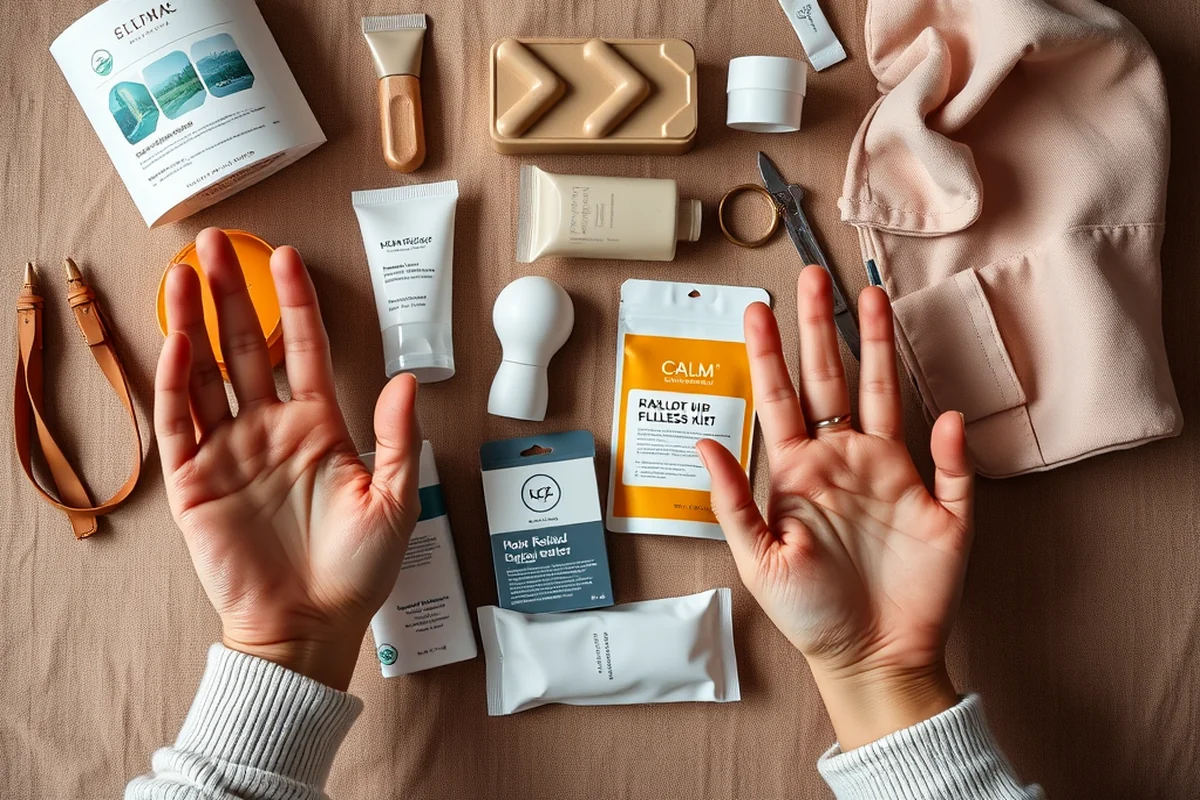
Swelling was one of the biggest issues I had after surgery. My legs were swollen, and I could feel the pressure building in my hip area. That’s when I started using compression sleeves — they made a noticeable difference. The pressure from the sleeve helped reduce the swelling and gave me a sense of support that made walking more bearable.
I used the sleeve on my thigh and calf, following my therapist’s advice. They told me to wear it during the day and remove it at night. I found that it helped with both pain and swelling, and I noticed that my mobility improved as the swelling went down.
Compression is not just about comfort — it’s about helping your body heal. It encourages blood flow, which is essential for tissue repair and reducing the risk of blood clots. These simple tools can have a big impact on your recovery process.
Related: Quick sedentary recovery at home no equipment
The Importance of Physical Therapy Tools
Physical therapy was the cornerstone of my recovery, but I quickly realized that I needed specific tools to make the exercises more effective. Resistance bands were one of the first tools I used. They helped me work on my hip flexion and extension, which were critical for regaining mobility.
I also used an exercise ball to practice balance and core strength. It was challenging at first, but over time, I found that it helped me build the strength I needed to walk without support. The ball also forced me to engage my core, which my therapist said was important for overall stability.
These tools are not just for the early recovery phase — they’re also useful in the long-term. I still use them a few times a week to maintain my strength and prevent stiffness. They’re a great investment for anyone recovering from hip replacement surgery.
Related: Quick sedentary recovery home
The Healing Power of Heat and Cold Therapy
I had no idea how much pain I would experience after surgery until I tried heat and cold therapy. The first few weeks were incredibly painful, and I found that alternating between the two helped me manage the discomfort. Cold therapy was especially useful for reducing swelling and numbing pain in the early days.
I used a cold pack on my hip for the first week, applying it for 15 minutes at a time. It helped reduce the swelling and made it easier to move. After that, I switched to heat therapy, which my therapist said would help relax my muscles and increase blood flow to the area.[2]
I still use heat therapy a few times a week for maintenance. It helps prevent stiffness and keeps my hip flexible. These simple tools, when used correctly, can make a big difference in your recovery journey.
Heat and cold therapy are not just for pain relief — they're essential tools in your recovery arsenal.
Related: Easy sedentary recovery home
Maintaining Consistency with Recovery Aids
One of the biggest mistakes I made early on was not using my aids consistently. I would skip a day of using my walking frame or forget to wear my compression sleeve, and the next day, I’d feel the effects — more pain, stiffness, and slower progress. Consistency with recovery aids is key to avoiding these setbacks.
I learned that using the same tools every day helped me build muscle memory and improve my mobility more quickly. It also helped me maintain the gains I had made, which was crucial for long-term healing. I found that even small, daily changes in how I used the tools made a noticeable difference over time.
Now, I make sure to use all my recovery aids every day, even if it’s just for a few minutes. I’ve come to see them not as temporary tools, but as essential parts of my recovery. They help me stay on track and keep moving forward, one step at a time.
⏱️ 5-Minute Mobility Session
A quick routine to maintain mobility and reduce stiffness using a few basic tools like resistance bands and a walking frame.
💻 Desk-Friendly Recovery
Tools and exercises that can be done while seated at a desk, perfect for those working from home or with limited space.
👶 Beginner's Guide
A simplified approach to using recovery aids with minimal equipment and low-intensity exercises for new users.
📈 Progression Plan
A structured plan for advancing your use of recovery aids as your strength and mobility improve over time.
🔄 Maintenance Protocol
A routine to maintain your mobility and prevent relapse, using the same tools that helped you recover initially.
| The mistake | Why it happens | The fix |
|---|---|---|
| Not using recovery aids consistently | Inconsistent use of recovery aids can slow down progress and increase the risk of pain, stiffness, and complications. | Set a daily routine and use your recovery aids at the same time each day to build consistency and maintain progress. |
| Choosing the wrong type of walking aid | Using an incorrect walking aid can lead to improper posture, increased pain, or a higher risk of falling. | Consult your physical therapist to choose the right walking aid based on your recovery stage and mobility needs. |
| Ignoring the importance of compression therapy | Neglecting compression therapy can lead to increased swelling, delayed healing, and discomfort in the early stages of recovery. | Use compression sleeves or wraps as recommended by your therapist to reduce swelling and improve circulation. |
| Skipping physical therapy exercises | Skipping exercises can weaken muscles, reduce mobility, and prolong recovery time. | Follow your physical therapist’s exercise plan and use recovery aids like resistance bands to make the exercises more effective and comfortable. |
Hip Replacement Recovery Aids
Common Questions
What are the most important recovery aids to have after hip replacement surgery?
How long should I use a walking frame after surgery?
Can I use a regular pillow for sitting after hip replacement surgery?
How often should I use cold or heat therapy for pain management?
References
- Preparing for and Recovering After Hip or Knee Replacement Surgery (ahrq.gov)
- CMS Comprehensive Care for Joint Replacement Model (cms.gov)
- Role of pulsed electromagnetic fields after joint replacements - PMC (pmc.ncbi.nlm.nih.gov)
- UTMB study showing exercise, not testosterone, aids recovery after ... (utmb.edu)
- Rating Schedule Updates for Hip and Knee Replacement Benefits ... (vaoig.gov)
Cite this guide
Unsitting (2026). Hip Replacement Recovery Aids. https://unsitting.com/hip-replacement-recovery-aids/
Feel free to cite or share this guide.
Sitting Recovery Day Plan
Hour-by-hour movement breaks across a desk day.
Open it free →