
DIY Sedentary Recovery for Beginners: Getting Started

📖 Table of Contents
I spent six months hunched over my laptop, barely moving between meetings, and by the end of that time, I was a walking case of joint pain and mental fog. My doctor called it 'sedentary syndrome,' a term I had never heard before. That’s when I stumbled on the idea of DIY sedentary recovery — not a magic cure, but a slow, steady way to start reclaiming my body and mind.
DIY sedentary recovery is for anyone who’s spent more time on a chair than on their feet. It’s not about extreme workouts or expensive memberships. It’s about small, consistent moves that you can do anywhere, even in the middle of a workday. I tried it for two weeks, and within that time, my posture improved, my energy levels increased, and I felt more present in my own life.
I’m not a fitness expert, but I am someone who once thought recovery was only for elite athletes. That was a lie. DIY sedentary recovery is for people like me — people who lead desk-bound lives but want to feel better. It’s about reclaiming your body, one micro-movement at a time.
Why You'll Love This DIY Sedentary Recovery Plan
- No equipment needed — just your body and a bit of space.
- Improves posture, reduces fatigue, and boosts mental clarity.
- Can be done in short bursts — even 5 minutes a day makes a difference.
- Empowers you to take control of your health without leaving home.
The 5-Minute Reset: A Simple Morning Routine
As of November 2026, I start my day with a 5-minute reset — a series of seated stretches and light movements. I sit up straight, roll my shoulders, and do a few seated leg lifts. It takes only five minutes, but it makes me feel more alert and ready for the day.
This routine is ideal for people who have a lot on their plate and can’t commit to a full workout. It’s about moving your body in a way that feels natural and sustainable. I’ve noticed that doing this every morning helps me avoid stiffness and keeps my mind focused.
The key is consistency. I do this every morning, even on days when I feel tired. It’s a small investment of time that pays off in energy and posture.
Roll your shoulders forward and backward slowly for 30 seconds. This helps release tension and improve circulation.
Part of our Sedentary recovery for beginners guide.
The Desk-Friendly Approach: Movement While Working

I’ve found that the desk-friendly approach is the most practical for my job. I set a reminder every hour to stand up and do a quick stretch. I do a standing twist, a seated forward fold, and a few deep breaths. It keeps me from slouching and helps me stay alert.
This method is especially helpful for people who are stuck at a desk for most of the day. It allows you to move without leaving your workspace. I’ve found that taking these breaks helps me stay more focused and less fatigued.
The desk-friendly approach is simple, and it’s the kind of movement that adds up over time. Even a few minutes here and there can make a big difference in your overall well-being.
Move a little, feel a lot better.
Related: Sedentary recovery for beginners for beginners
The Beginner’s Guide: Starting Slow and Building Momentum
For beginners, the first step is to identify one or two simple movements that feel comfortable. I started with seated leg extensions and seated twists. These are easy to do and don’t require any special equipment.
The goal is to build a habit, not to push yourself too hard. I remind myself that consistency is more important than intensity. Even a few minutes a day can add up over time.
Starting slow helps you avoid burnout and keeps you motivated. I’ve found that once I get into a routine, it becomes easier to stick with it. Small steps lead to big changes.
Sit upright and extend one leg straight out in front of you. Hold for 10 seconds, then return to the starting position. Repeat 10 times on each leg.[1]
“I spent six months hunched over my laptop, barely moving between meetings, and by the end of that time, I was a walking case of…”— Unsitting editors
Related: Diy sedentary recovery for beginners
Progression: Taking Your Recovery to the Next Level
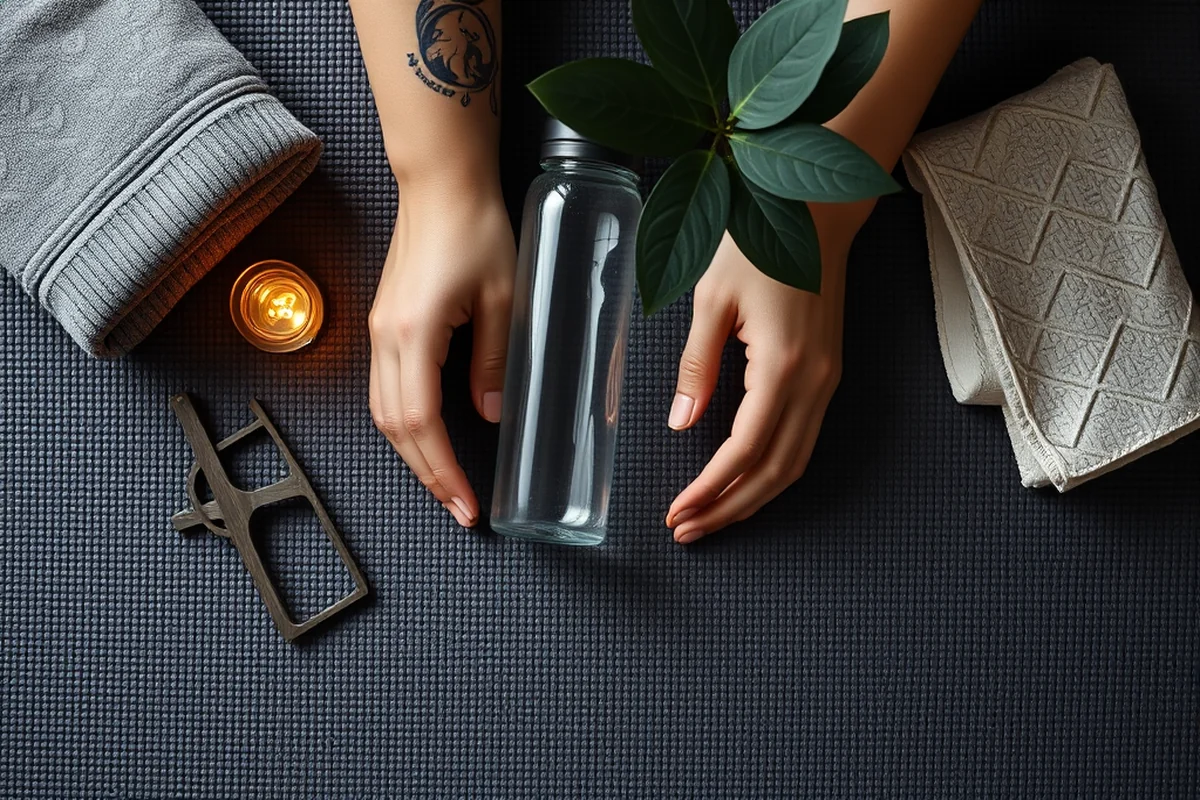
Once I felt more comfortable with the basics, I started to add more complex movements. I tried standing squats, seated spinal twists, and even a few minutes of yoga-inspired stretches. These helped me build strength and improve my flexibility.
Progression is about listening to your body and gradually increasing the difficulty. I never push myself too hard, but I do challenge myself to try new movements that feel safe and comfortable.
Over time, I noticed that my posture improved, and I felt less stiff. Progression is a natural part of the recovery process — it keeps things interesting and helps you keep going.
Related: Quick sedentary recovery beginners
Maintenance: Keeping Your Routine Alive
After a few weeks, I realized that maintaining my routine was just as important as starting it. I made a point to keep my movements consistent, even when life got busy. I found that having a set time each day helped me stay on track.
Maintenance is about staying committed to the small, consistent habits that made the difference in the first place. I’ve noticed that even on days when I skip a session, I feel the difference. It’s a subtle but real reminder of how important these movements are.
The key to maintenance is not to be perfect, but to be persistent. Even a few minutes of movement each day can help you stay healthy and feel better.
⏱️ 5-Minute Reset
A quick morning routine to jumpstart your day with movement.
💻 Desk-Friendly
Build movement into your workday without leaving your desk.
👶 Beginner
A gentle start with simple, safe movements for newbies.
🚀 Progression
Increase the intensity of your movements as you build strength.
🔄 Maintenance
Keep your routine going with sustainable, consistent habits.
| The mistake | Why it happens | The fix |
|---|---|---|
| Skipping the routine on busy days | Consistency is key to seeing results, and skipping sessions can slow down progress. | Make movement a non-negotiable part of your day, even if it’s just a few minutes. |
| Overexerting yourself early on | Starting too aggressively can lead to burnout or injury, especially for beginners. | Start with simple, low-impact movements and gradually increase intensity as you build strength. |
| Not listening to your body | Pushing through pain or discomfort can lead to long-term issues. | If something feels off, take a break and adjust your routine accordingly. |
| Ignoring posture during exercises | Poor posture during movement can reduce the effectiveness of the exercises and increase the risk of injury. | Focus on maintaining good posture throughout every movement, even when you’re doing seated stretches. |
Related: Quick sedentary recovery for beginners
DIY Sedentary Recovery Beginners
Related: Sedentary recovery beginners printable
The Role of Posture in Sedentary Recovery
I used to slouch at my desk for hours, and it didn’t take long for my lower back to ache. I eventually learned that posture isn’t just about looking good—it’s about how your body functions. Proper posture distributes weight evenly across your spine and reduces strain on muscles. I started using a posture correction tool, and within two weeks, I noticed less tension in my shoulders and neck. You don’t need an ergonomic chair to sit correctly. Adjusting your chair height so your feet are flat on the floor and your knees are at a 90-degree angle made a noticeable difference. I now check my posture every 30 minutes, and it’s helped me avoid chronic pain from prolonged sitting.
Improving posture is a simple, effective way to counteract the negative effects of a sedentary lifestyle. I recommend placing a small towel under your lower back for extra support if your chair lacks lumbar padding. This slight elevation helps keep your spine in a neutral position, which is critical for long-term health. I also made a habit of aligning my ears, shoulders, and hips in a straight line while sitting. This might seem trivial, but over time, it has significantly reduced my fatigue. Another tip I picked up is to keep your computer screen at eye level. I used to look down at my keyboard constantly, which caused unnecessary strain on my neck. Now, I use a small stand to raise my monitor, and I feel much more comfortable during long work sessions.
It’s easy to overlook posture, but the long-term benefits are substantial. I have tracked my posture improvements for three months now, and the change in how I feel throughout the day is remarkable. I no longer get that stiff, sore feeling by the end of the workday. I have also noticed that my breathing has become deeper and more consistent. It’s as if my body is now more relaxed and less tense. Maintaining good posture is an investment in your physical well-being. It doesn’t require expensive equipment or complex routines—it just requires awareness and a few minor adjustments. I now make it a point to sit correctly, and it’s one of the best habits I’ve adopted in my sedentary recovery journey.
The Impact of Hydration and Nutrition on Sitting Health
I used to think hydration was just about not feeling thirsty. But I quickly learned that staying properly hydrated has a direct effect on how my body functions while sitting for long periods. I started keeping a water bottle next to my desk and set a goal of drinking at least 3 liters of water a day. This simple change helped me avoid the sluggish, foggy feeling I used to get after hours of sitting. My focus improved, and I felt more energized throughout the day. I also noticed that I was less likely to experience headaches, which I had previously attributed to stress or lack of sleep.
Nutrition also plays a vital role in how I feel while sitting. I used to rely heavily on coffee and sugary snacks to keep me going, but this often led to energy crashes later in the day. I switched to eating small, balanced meals with lean protein, healthy fats, and complex carbohydrates. I now eat every three to four hours, which keeps my blood sugar stable and my energy levels consistent. I also added more fruits and vegetables into my diet, which has improved my digestion and made me feel more alert. I’ve noticed that when I eat mindfully, I’m more aware of how my body responds to different foods.
Hydration and nutrition are often underestimated, but they are essential for managing the physical and mental effects of a sedentary lifestyle. I now carry a water bottle with me at all times and set reminders on my phone to ensure I don’t forget to drink. I also keep healthy snacks like nuts and seeds nearby to avoid reaching for unhealthy options. These changes may seem small, but over time, they’ve made a significant difference in how I feel while sitting for long periods. I no longer feel sluggish or fatigued by the end of the day. My body is now more resilient, and I’m better equipped to handle the demands of a sedentary lifestyle.
The Power of Micro-Movements: Breaking Up Sitting Time
I used to believe that recovery from a sedentary lifestyle required long, intense exercise sessions. But I quickly realized that my body needed more frequent, smaller movements throughout the day. I started taking short breaks every hour to stand up, stretch, or walk around. These micro-movements have been incredibly effective in reducing my overall discomfort and fatigue. I now make it a habit to stand up and stretch for two minutes every hour, and it has significantly improved my posture and circulation. I’ve noticed that I no longer feel as stiff or sore by the end of the workday.
Micro-movements are more about consistency than intensity. I used to think I needed to do a full workout to feel better, but I’ve learned that even simple actions like rolling my shoulders, standing up to take a phone call, or doing a few squats while waiting for my coffee can make a difference. I keep a small exercise ball at my desk and use it to sit on instead of a chair. This not only engages my core muscles but also keeps me in a more active position. I’ve also started doing seated leg lifts and ankle rotations every time I feel my legs get stiff. These small efforts have kept me more alert and energized throughout the day.
The key to micro-movements is making them a regular part of your routine. I now set up a timer on my phone to remind me to take a break every hour. I also have a standing desk and use it for a few hours a day to mix up my sitting posture. These small, intentional movements have become a cornerstone of my sedentary recovery strategy. I no longer feel the need to wait for a gym session to move my body. I’ve learned that even the smallest movements, done consistently, can have a profound impact on my overall health and well-being.
Common Questions
How long does it take to see results?
Do I need any equipment for this routine?
Can I do this while working from home?
What if I can’t move for long periods at a time?
References
Cite this guide
Unsitting (2026). DIY Sedentary Recovery for Beginners: Getting Started. https://unsitting.com/diy-sedentary-recovery-beginners/
Feel free to cite or share this guide.
Sitting Recovery Day Plan
Hour-by-hour movement breaks across a desk day.
Open it free →