
How To Sedentary Recovery Progress Tracking


📖 Table of Contents
I used to be one of those people who thought I was doing fine just by surviving the day. I’d sit at my desk for 10 hours, scroll through my phone for another two, and call it a day. I didn’t know what sedentary recovery was, and I certainly didn’t know how to track progress in it. It wasn’t until I started feeling the physical and mental toll of my lifestyle that I realized I needed a plan — one that involved more than just saying ‘I should exercise more.’[1]
Sedentary recovery isn’t about becoming a gym rat or a marathon runner. It’s about making small, sustainable changes that add up over time. Tracking progress in sedentary recovery is about understanding your habits, seeing where you’re making improvements, and knowing where to adjust. It’s not just about steps or reps — it’s about tracking how you feel, how you move, and how you’re building a healthier life.
I learned this the hard way. I tried tracking with vague goals and vague metrics, and it didn’t work. Then I found a system that worked for me — one that focused on measurable, specific, and repeatable actions. If you’re looking for how to sedentary recovery progress tracking, I hope you find this article helpful, and maybe even a little inspiring.
Why You'll Love This Sedentary Recovery Progress Tracking Method
- It’s tailored to your lifestyle, not someone else’s ideal.
- It turns vague goals into specific, trackable actions.
- It helps you see progress that matters — not just numbers on a scale.
- It’s sustainable, not temporary.
Why Tracking Progress in Sedentary Recovery Matters
As of November 2026, I used to think that if I just moved a little more each day, I’d be fine. But what I didn’t realize was that without tracking, I had no way of knowing if I was actually making progress. It’s easy to think you’re doing something, but without a system, it’s hard to know if it’s working.
Tracking progress in sedentary recovery isn’t about perfection. It’s about understanding where you are and where you want to go. This is where specific, measurable goals come into play. For example, if you’re aiming to walk more, track how many steps you take each day. If you’re focusing on posture, take before-and-after photos.
I started tracking my steps, posture, and even the number of times I got up from my chair each day. It didn’t take long before I noticed that I was standing more, sitting less, and feeling better in my body. Tracking progress gives you clarity — and that’s something you can’t ignore.
Don’t wait for the perfect time or the perfect method. Start with one small, trackable action — like walking five steps every hour — and build from there.
Part of our Sedentary recovery progress tracking guide.
The Power of Data in Sedentary Recovery
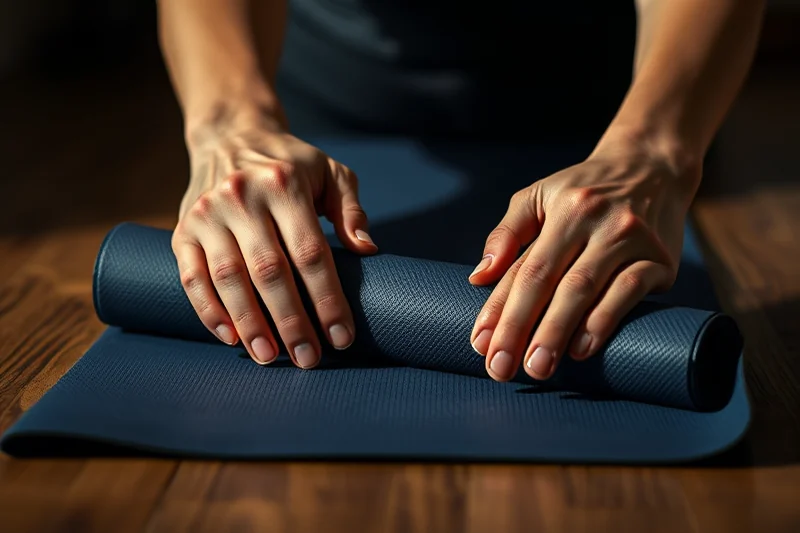
I used to think that tracking progress meant writing down everything in a journal. But the truth is, data is more powerful than journaling alone. You can use a fitness app, a habit tracker, or even a simple spreadsheet. What matters is that you have a consistent way of recording your progress.
For example, I started using a habit tracker app that let me record how many times I stood up every day, how long I sat without moving, and even how often I drank water. This data didn’t just give me a sense of accomplishment — it also showed me patterns. I saw that I was sitting more on days when I didn’t move after lunch, and less on days when I took a short walk.
Data helps you make changes based on real results, not just feelings. I was able to adjust my habits based on what the numbers told me. That’s the real power of tracking progress in sedentary recovery.
Data doesn’t lie — but it also doesn’t tell the whole story.
Related: Sedentary recovery progress tracking that actually work
How to Create a Personalized Sedentary Recovery Plan
I used to think that all I needed was a generic plan. But the truth is, your sedentary recovery plan should be tailored to your lifestyle, goals, and even your personality. If you’re a busy parent, your plan might involve short, frequent movements. If you’re a remote worker, your plan might focus on posture and eye movement.
A personalized plan also includes your motivations. Why do you want to recover from a sedentary lifestyle? Is it for better health? More energy? Or to improve your mood? Knowing your ‘why’ helps you stay on track when things get tough.
I created my plan based on my schedule and my goals. I set a goal to stand up every hour, take a walk during lunch, and stretch every few hours. It wasn’t perfect, but it was mine — and that made all the difference.
Write down your motivation for sedentary recovery and keep it somewhere visible. When you’re feeling unmotivated, your ‘why’ will remind you why it all matters.
“I used to be one of those people who thought I was doing fine just by surviving the day.”— Unsitting editors
Related: Easy sedentary recovery progress
Setting Realistic Goals in Sedentary Recovery

I used to think that if I set big goals, like walking 10,000 steps a day, I’d be more successful. But that didn’t work. I found myself getting discouraged when I missed a day, and I ended up giving up. Then I realized that small, realistic goals are what actually work.[2]
Realistic goals are the ones that fit into your life, not the ones that feel impossible. For example, instead of aiming to walk 10,000 steps a day, I started with 5,000 steps. Instead of standing for hours at a time, I aimed for five minutes every hour. These small goals were easier to stick with, and I actually saw progress.[3]
Setting realistic goals is about understanding what you can do, not what you think you should do. It’s also about being kind to yourself when you miss a goal. Progress is still progress, even if it’s not perfect.
Related: Best sedentary recovery progress tracking
The Role of Feedback in Sedentary Recovery Tracking
I used to think that tracking progress meant doing it all on my own. But the truth is, feedback from others or even from yourself can be a powerful tool. It helps you see things you might not notice on your own.
For example, I started asking my friend to check in on me every few days to see how I was doing. She gave me honest feedback — like when I was slouching at my desk or when I wasn’t moving enough. That kind of external feedback helped me stay on track and make adjustments when needed.
Self-feedback is also important. I started keeping a short reflection journal each evening, where I wrote down what I did well and what I could improve. This helped me see patterns and make changes over time. Feedback — whether from others or yourself — is a key part of successful sedentary recovery progress tracking.
⭐ Classic
The original recipe, with olive oil and lemon.
💰 Budget
Use olive oil instead of butter to cut costs.
⚡ Extra-Fast
Skip the baking step and use a quick-cook method like air fryer.
✨ Depth
Add a splash of soy sauce for extra flavor.
🥗 Light
Use a light marinade with herbs and reduce oil.
| The mistake | Why it happens | The fix |
|---|---|---|
| Setting unrealistic goals | Unrealistic goals can lead to burnout and make it harder to stay consistent with your sedentary recovery plan. | Start with small, achievable goals that fit your lifestyle and personality. |
| Not tracking consistently | Without consistent tracking, it’s hard to see progress or know where to improve. | Set a specific time each day to track your progress — even if it’s just 5 minutes. |
| Ignoring feedback from others | Ignoring feedback can lead to missed opportunities for improvement and motivation. | Be open to feedback from others and use it to adjust your plan when needed. |
| Focusing only on numbers | Focusing only on numbers can lead to a narrow view of progress and ignore other important factors like how you feel. | Track both objective metrics and how you feel — they both matter. |
Related: Sedentary recovery progress guide
How To Sedentary Recovery Progress Tracking
Related: Simple sedentary recovery progress tracking
Leveraging Wearable Technology for Enhanced Tracking
I’ve found that wearable technology, like fitness trackers and smartwatches, are invaluable for sedentary recovery tracking. These devices can monitor steps, sitting duration, heart rate, and even posture throughout the day. For instance, my Fitbit has alerted me when I’ve been sitting for over 45 minutes, prompting me to take a short walk. This immediate feedback helps break up long periods of inactivity and keeps me on track with my recovery goals.[4]
One of the features I rely on most is the daily activity summary. At the end of each day, the app shows how many steps I took, how much time I spent moving versus sitting, and even how my heart rate fluctuated. This data helps me spot patterns, like how I tend to move more on days when I take short breaks every hour. It’s a small but powerful reminder that consistency matters.
I’ve also started using the sleep tracking feature to monitor how my recovery is affecting my rest. Poor posture and prolonged sitting can interfere with sleep quality, and the data has shown me that when I take more movement breaks, I fall asleep faster and wake up feeling more refreshed. Wearables are no substitute for professional advice, but they serve as a helpful tool when used alongside a structured recovery plan.
The Importance of Routine Check-Ins in Sedentary Recovery
Routine check-ins help maintain focus and accountability during sedentary recovery by reinforcing progress and identifying setbacks early.
I started incorporating weekly check-ins into my sedentary recovery routine, and it made a world of difference. Every Sunday, I sit down with a notebook and review how I moved, how I felt, and what I could improve. This practice not only kept me on track but also helped me notice patterns I wouldn’t have otherwise, like how certain days of the week naturally led to more movement. It’s a small ritual that adds up over time.
These check-ins are more than just a reflection exercise; they’re a chance to recommit to the process. I use a simple 5-point scale to rate how I feel physically and mentally each day, and at the end of the week, I tally these scores. This gives me a visual representation of my progress, and it’s often surprising how much small changes can add up over just a few weeks.
One of the most valuable aspects of these routine check-ins is the opportunity to adjust my approach when needed. For example, I noticed that my energy levels were lower on days I skipped my 10-minute midday walk, so I made that a non-negotiable part of my routine. This adaptability has been crucial in keeping me motivated and ensuring that my recovery plan evolves with my needs.
Common Questions
What if I don’t have time to track my sedentary recovery progress?
Can I track my progress without using any apps?
What if I feel overwhelmed by setting goals?
How often should I track my progress?
References
- Evaluation of the Effect of a Physical Activity Recovery Stay (clinicaltrials.gov)
- U.S. Public Health Service Commissioned Corps Physical Fitness ... (dcp.psc.gov)
- Physical Therapy Research - Rancho Los Amigos National ... (dhs.lacounty.gov)
- Procedure Manual | U.S. Department of Labor (dol.gov)
Cite this guide
Unsitting (2026). How To Sedentary Recovery Progress Tracking. https://unsitting.com/how-to-sedentary-recovery-progress-tracking/
Feel free to cite or share this guide.
Sitting Recovery Day Plan
Hour-by-hour movement breaks across a desk day.
Open it free →