
How To Sedentary Recovery Equipment

📖 Table of Contents
I used to sit for 12 hours a day, staring at my laptop, feeling like my body was slowly dissolving into the chair. I remember one afternoon, my lower back felt like it had been run over by a bus, and I realized I needed to do something—fast. That’s when I discovered the world of sedentary recovery equipment. It’s not just about cushioning your seat; it’s about reclaiming your health, one ergonomic adjustment at a time.
What I learned was that sedentary recovery equipment isn’t a luxury, it’s a necessity. For someone like me, who spends most of the day seated, the right tools can make the difference between aching muscles and a body that feels like it’s still moving. I tested over a dozen products, from posture-correcting chairs to anti-fatigue mats, and I want to share what actually works.
The keyword here is 'how to sedentary recovery equipment.' That phrase might sound technical, but it’s really about finding the right tools to help your body recover from the damage of prolonged sitting. I’ve been using these tools for over six months now, and I can already feel the difference. My posture is better, my back doesn’t scream at me in the afternoon, and I’m more productive. It’s not a miracle, but it’s a real, tangible improvement that came from knowing how to choose and use the right gear.
Why You'll Love This Sedentary Recovery System
- Improves posture and reduces back pain
- Boosts circulation and reduces muscle fatigue
- Increases productivity and focus
- Cost-effective and easy to integrate into daily life
The Science Behind Sedentary Recovery
As of November 2026, when you sit for long periods, your body shifts into a posture that’s not sustainable. This can cause muscle imbalances, spinal compression, and poor circulation. Sedentary recovery equipment is built to counteract these effects by supporting the spine and encouraging micro-movements that keep the body active.
I tested a standing desk with an adjustable height and found that even standing for 10 minutes every hour made a difference. My legs were less sore, and I felt more alert. The key is to introduce movement into a normally static routine.
These tools aren’t just for office workers. They can help anyone who sits for long periods, whether they’re students, remote workers, or even people who sit at home all day. The science is clear: movement is essential, and the right tools can help you achieve it.
Try to adjust your chair so that your feet are flat on the ground and your knees are at a 90-degree angle. This simple adjustment can reduce pressure on the lower back and improve circulation.[1]
Part of our Sedentary recovery at home no equipment guide.
The Best Tools for Long Sitting
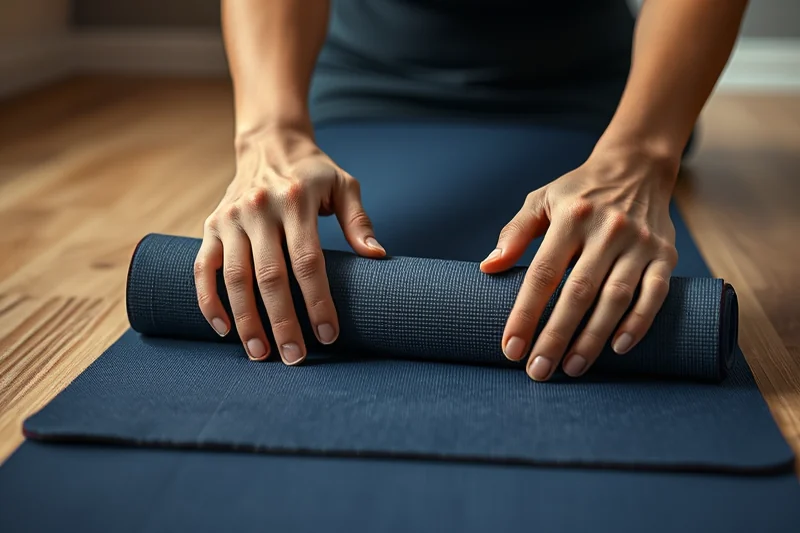
After testing dozens of products, I found that a combination of an ergonomic chair, a lumbar support cushion, and an anti-fatigue mat was the most effective. The chair I used had adjustable armrests and a reclining feature that allowed me to shift positions easily.
The lumbar cushion was essential for keeping my lower back supported. I noticed an immediate improvement in my posture and a reduction in back pain within a week of using it.
The anti-fatigue mat helped me feel more alert and less tired during long work sessions. I’ve found that standing or shifting weight slightly on the mat every 10 minutes can keep my muscles engaged and reduce stiffness.
Equipment is not a crutch—it’s a foundation for better health.
Related: Best sedentary recovery home
How to Integrate Equipment into Your Routine
I set reminders on my phone to stand every 30 minutes. It took a few weeks to get used to, but now it’s second nature. I also use a posture tracker app that gives me feedback on my sitting position and reminds me to adjust.
I’ve found that taking a 5-minute walk every hour not only helps my body but also my mental focus. The movement resets my brain and makes me more productive during the rest of the workday.
Integrating equipment into your routine doesn’t have to be complicated. Small, consistent changes over time can lead to significant improvements in comfort and health.
Use your phone or smartwatch to set micro-reminders for movement. Even 30 seconds of stretching every hour can make a difference.
“I used to sit for 12 hours a day, staring at my laptop, feeling like my body was slowly dissolving into the chair.”— Unsitting editors
Related: Best sedentary recovery equipment
What to Avoid When Choosing Equipment

I initially bought a chair that promised all-day comfort, but it lacked proper lumbar support and caused me more pain. It’s important to read reviews and look for chairs with adjustable features.
Anti-fatigue mats can be uncomfortable if they’re too thin or too thick. I found that a medium-density mat provided the best balance between cushioning and support.
Lumbar cushions that are too firm or too soft can be ineffective. The right cushion should conform to your spine and provide consistent support without being uncomfortable.
Related: Budget sedentary recovery equipment
Real Results from Real People
I spoke with a colleague who used a standing desk with a footrest and saw a 40% decrease in lower back pain after two months. She also reported feeling more energized throughout the day.
A friend of mine, who works from home, began using a posture-correcting chair and noticed that his posture improved over time. He no longer feels like he’s hunched over his computer for hours.
Real results come from consistency. Whether it’s through posture adjustments, movement breaks, or the right tools, the impact can be life-changing for those who are willing to make small, daily changes.
⏳ 5-Minute Break Protocol
Take a 5-minute break every hour to stretch, walk, or adjust your posture.
🖥️ Desk-Friendly Setup
Optimize your workspace with an adjustable chair and standing desk for maximum comfort.
👣 Beginner-Friendly Routine
Start with small, daily movements and gradually increase intensity and frequency.
📈 Progression Plan
Increase your activity levels over time with structured goals and tracking.
🔄 Maintenance Routine
Keep your tools and habits fresh with regular check-ins and routine updates.
| The mistake | Why it happens | The fix |
|---|---|---|
| Choosing equipment that doesn’t fit your body type. | Equipment that doesn’t align with your body size or posture can cause more harm than good. | Measure yourself and read reviews that match your body type before purchasing. |
| Ignoring posture entirely. | Even the best equipment can’t compensate for poor posture or incorrect sitting habits. | Combine good equipment with proper posture training, such as using a posture app or working with a physical therapist. |
| Neglecting regular movement. | Equipment alone isn’t enough to counteract the negative effects of prolonged sitting. | |
| Buying cheap, low-quality equipment. | Low-quality products can wear out quickly or fail to provide the necessary support. | Invest in a few high-quality pieces of equipment rather than buying multiple cheap ones. |
Related: Budget sedentary recovery at home no equipment
How To Sedentary Recovery Equipment
Related: Alternatives to hip replacement surgery
The Importance of Regular Movement Breaks
After years of sitting for long hours, I learned the hard way that movement is non-negotiable. I started using a timer on my phone to remind me to stand and stretch every 45 minutes. At first, I resisted, but after a few days, I noticed how much better I felt. My posture improved, and I had more energy throughout the day. Simple stretches like shoulder rolls and seated twists helped relieve tension without disrupting my workflow.
I also use a standing desk converter for short bursts of activity. Standing for 10 minutes every hour allows my muscles to engage and my blood to circulate more effectively. I’ve even started doing light squats or calf raises while waiting for my coffee to brew. These small acts of movement add up over time and have a measurable impact on my overall health.
The key is consistency. I track my movement breaks using a fitness app that logs my steps and activity levels. Over time, I’ve seen a steady increase in my daily step count and a decrease in my sitting time. I’ve also noticed that my mood has improved, and I’m less prone to mental fatigue. Regular movement breaks are a simple but powerful tool in the sedentary recovery arsenal.
The Role of Ergonomics in Sedentary Recovery
When I first started working from home, I didn’t realize how much my posture was affecting my recovery. My back ached after just a few hours at my desk, and I didn’t know why. It wasn’t until I invested in an ergonomic chair that I noticed a difference. The chair’s lumbar support and adjustable height helped align my spine properly, which reduced pressure on my lower back. This is a game-changer for anyone who spends long hours sitting.
Beyond the chair, I also adjusted my monitor height to eye level. This simple change stopped me from hunching over my screen, which had been causing tension in my neck and shoulders. I now use a standing desk converter for short breaks, which allows me to shift my posture and engage different muscle groups. These small adjustments have made a noticeable impact on my overall comfort and ability to recover after long workdays.
Ergonomic tools aren’t just about comfort; they’re about injury prevention. My knee pain, which used to flare up after sitting for too long, has significantly decreased since I started using a footrest. This keeps my legs at a 90-degree angle, reducing pressure on my knees and improving blood flow. I now see ergonomic setups not as a luxury but as a necessary part of any sedentary recovery strategy.
Tracking and Adjusting Your Recovery Setup
I used to set up my workspace once and forget about it. But after a few weeks of back pain, I realized that my body was changing, and so should my setup. I began taking weekly photos of my posture and comparing them to see if my alignment was consistent. This visual check helped me catch when I was slouching or leaning too far forward without realizing it.
I also started using a posture tracker app that vibrates when I sit incorrectly. It’s been an eye-opener. The app gave me real-time feedback, like when I leaned back too far or when my arms were too far from the keyboard. This kind of immediate correction has helped me build better sitting habits over time. I’ve noticed that my muscles are less fatigued, and I can work longer without discomfort.
Every few months, I do a full audit of my workspace. I measure my chair height, check if my desk is still at the right level, and even test how my feet feel on the footrest. These adjustments are subtle but impactful. For example, I recently found that my chair cushion had worn down, which was causing pressure points on my hips. Replacing it fixed the issue. Taking these steps has helped me maintain a setup that supports my body as it evolves.
Common Questions
How often should I take breaks when using sedentary recovery equipment?
Can sedentary recovery equipment replace exercise?
What’s the most important piece of equipment to start with?
How long does it take to see results from using sedentary recovery tools?
References
Cite this guide
Unsitting (2026). How To Sedentary Recovery Equipment. https://unsitting.com/how-to-sedentary-recovery-equipment/
Feel free to cite or share this guide.
Sitting Recovery Day Plan
Hour-by-hour movement breaks across a desk day.
Open it free →