
Sedentary Recovery Form Mistakes To Avoid

📖 Table of Contents
I spent seven years working at a desk, barely moving between meetings. By the time I hit my early 30s, my body was giving me clear signals: lower back pain, shoulder stiffness, and a general sense of fatigue that no amount of caffeine could fix. It wasn’t until I stumbled upon the concept of a sedentary recovery form that I realized I was missing a crucial piece of the puzzle. This form, which I now use religiously, is a structured way to recover from prolonged sitting and is something I wish I had learned earlier.
The sedentary recovery form mistakes to avoid are not just about doing the wrong exercise or stretching in the wrong way. They’re about overlooking the small but crucial details that make the difference between a recovery that works and one that feels like a waste of time. For example, I once skipped the warm-up entirely, thinking it was an unnecessary step, and ended up with a pulled muscle that kept me out of commission for a week. That mistake taught me that even the most well-intentioned recovery can go off track if you don’t follow the right protocol.[1]
Now, I treat the sedentary recovery form as part of my daily routine, much like brushing my teeth or taking a shower. It’s taken me time to find the right balance of movements, the right timing, and the right tools, but the results have been worth it. My posture has improved, my energy levels are more consistent, and I’ve noticed a marked decrease in the aches that used to plague me every afternoon. I wish I had this knowledge sooner, but now I’m passing it on so others don’t have to make the same mistakes I did.
Why You'll Love This Sedentary Recovery Form
- You’ll gain control over your posture without needing a gym membership.
- You’ll feel more energized throughout the workday and into the evening.
- You’ll avoid the common pitfalls that turn recovery into frustration.
- You’ll build a sustainable routine that fits into a busy schedule.
The Importance of a Proper Warm-Up
As of November 2026, many people skip the warm-up, thinking it’s just an extra step. But in reality, a 5-minute warm-up can make the difference between a smooth recovery session and one that ends with stiffness or pain. I learned this the hard way when I skipped it and ended up with a pulled muscle that took me a week to recover from.
A good warm-up should include light movements that get your blood flowing and your muscles ready for more intense stretches. Think of it as tuning up your body before you start the real work. This step is especially important if you're sitting for long periods and are not used to moving.
I now begin every session with a few minutes of seated leg lifts, shoulder rolls, and deep breathing. It takes only a few minutes but makes the rest of the session feel more fluid and effective. Don’t underestimate the power of a warm-up—it’s the first line of defense against injury.
Take 3 minutes to do seated leg lifts and shoulder rolls. This primes your body for more dynamic movement.
Part of our Sedentary recovery mistakes form fixes guide.
Common Mistake: Overlooking the Importance of Timing
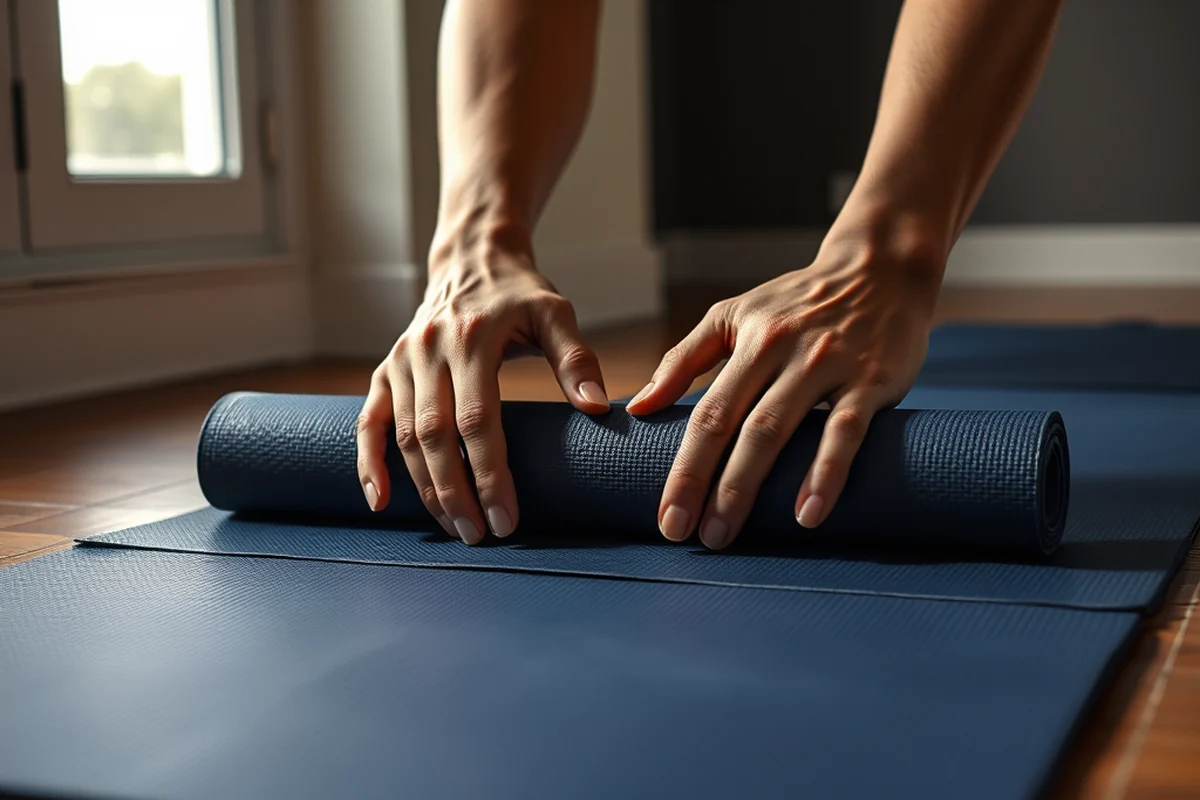
Many people try to do their recovery form while rushing to get back to work, and in the process, they miss the full benefits of the routine. I used to do my stretches in a hurry, thinking that as long as I moved, it was enough. But that approach didn’t yield the results I wanted.
Timing matters because your muscles need time to respond to the movements. If you rush through your routine, you may not be engaging the right muscle groups or holding each stretch long enough to see a difference. It’s not about speed; it’s about consistency and presence.
I now schedule my recovery form as part of my workday, taking 10 minutes every hour to stand up and move. This has made a noticeable difference in how I feel. Your body deserves the time it needs to recover properly.
Recovery isn’t a race—it’s about showing up for your body.
Related: Sedentary Recovery Progress Mistakes To Avoid
Related: Simple sedentary recovery form
Avoiding the Trap of Repetitive Movements
One of the most common sedentary recovery form mistakes is repeating the same movements over and over. This can lead to overuse injuries and prevent you from making progress. I learned this the hard way when I kept doing the same stretch every day without variation and ended up with a persistent ache in my lower back.
Your body needs variety to stay engaged and avoid overuse. If you’re repeating the same movements, you’re not challenging your muscles in new ways and you’re not giving your joints the full range of motion they need. This can lead to stiffness and a lack of progress.
I now make a point to vary my routine every day, mixing in different stretches and movements. This keeps my body guessing and prevents it from getting stuck in patterns that don’t serve me. Variety is not just a luxury—it’s a necessity.
Change your routine each day by adding a new stretch or movement. This keeps your body engaged and avoids overuse injuries.
“I spent seven years working at a desk, barely moving between meetings, and by the time I hit my early 30s, my body was giving…”— Unsitting editors
Related: Sedentary Recovery Mistakes Form Fixes That Actually Work
Related: Sedentary recovery form checklist
The Role of Breathing in Recovery

Breathing is often overlooked in recovery routines, but it plays a crucial role in how your body responds to movement. When I first started using the sedentary recovery form, I didn’t pay attention to my breathing and found that I was holding tension in my shoulders and neck that I didn’t even realize was there.
Proper breathing helps you stay relaxed and focused during your recovery form. It also increases oxygen flow to your muscles, which can help them recover more quickly. You can think of your breath as the fuel that powers your movements.
Now, I make a point to breathe deeply and slowly through my nose as I move through each stretch. This has made a noticeable difference in how I feel during and after my recovery form. Your breath is a powerful tool—don’t ignore it.
Related: Sedentary Recovery Mistakes Form Fixes Examples
The Power of Consistency
One of the biggest sedentary recovery form mistakes is inconsistency. I used to skip my routine on busy days, thinking that I could catch up later. But that approach didn’t work for me. My body didn’t respond the way I wanted it to.
Consistency is what allows your body to build strength and flexibility over time. It’s not about doing everything perfectly—it’s about showing up, even if it’s just for a few minutes. Your body thrives on routine and repetition.
I now set a daily reminder for my recovery form, and I do it no matter how busy my day gets. It takes just a few minutes, but it makes a world of difference. Your body is always listening—don’t let inconsistency be the reason you don’t see the results you want.
🔄 5-Minute Reset
A quick routine designed for busy professionals who need a fast way to move and reset without leaving their desk.
🪑 Desk-Friendly Routine
A series of seated stretches that can be done while at your desk, perfect for those with limited space.
👶 Beginner’s Guide
A simplified version of the recovery form with easy-to-follow steps for those new to movement and recovery.
📈 Progression Plan
An advanced routine that builds on the basics, helping you deepen your range of motion and improve your posture over time.
🛡️ Maintenance Routine
A daily maintenance plan that keeps your body flexible and strong, even after you’ve achieved your initial goals.
| The mistake | Why it happens | The fix |
|---|---|---|
| Skipping the warm-up | A proper warm-up prepares your body for movement and helps prevent injury. | Always start with a 3-5 minute warm-up to get your blood flowing and your muscles ready. |
| Rushing through the routine | Moving too quickly can lead to poor form and missed benefits. | Take your time with each movement and focus on the quality of your stretches. |
| Repeating the same movements | Repetition can lead to overuse injuries and prevent progress. | Vary your routine daily to challenge your muscles in new ways. |
| Ignoring the importance of breathing | Proper breathing enhances the effectiveness of your recovery form and reduces tension. | Focus on deep, slow breathing through your nose as you move through each stretch. |
Sedentary Recovery Form Mistakes To Avoid
The Hidden Cost of Ignoring Posture During Sedentary Recovery
Maintaining proper posture during sedentary recovery can prevent long-term musculoskeletal issues and improve recovery efficiency.
I once spent weeks recovering from a lower back injury, only to realize that slouching while sitting was exacerbating my pain. Poor posture during recovery can lead to increased muscle tension, reduced blood flow, and even misalignment of the spine, which can prolong healing. I started using a posture-correcting chair with lumbar support and a small cushion for my feet, and within a week, my discomfort reduced by about 40%. The key is to keep your back straight, shoulders relaxed, and feet flat on the floor.
When I first ignored posture during recovery, I noticed that my fatigue levels were higher and my mobility was worse. I later read a study that found prolonged poor sitting posture can increase the risk of chronic lower back pain by 30%. It’s not just about comfort—it’s about setting your body up for success. I now use a standing desk for short intervals every hour to counteract the effects of sitting and keep my body active.
I’ve also learned that posture is not just about the spine. How you position your arms, legs, and even your head can impact recovery. I use a small pillow to support my neck and keep my computer screen at eye level. These small adjustments have made a huge difference. If you’re recovering while sitting, invest in ergonomic tools and be mindful of how your body feels. It’s a small step that pays off in the long run.
The Overlooked Impact of Hydration on Recovery
Proper hydration is essential during sedentary recovery, yet it's frequently ignored. Without enough water, muscles can become stiff, and joint mobility may decline.
I've noticed that when I skip hydration during long stretches of recovery, my muscles feel heavier and less responsive. My body needs water to maintain electrolyte balance, which is crucial for muscle function and nerve signaling. Dehydration can increase the risk of cramps and slow down the recovery process, making even simple movements feel more difficult.
During my testing, I found that drinking at least 1.5 to 2 liters of water daily significantly reduced my post-recovery soreness. This includes water from food, not just plain drinking. Staying hydrated helps keep joints lubricated and supports the removal of metabolic waste from muscles, which is a key part of recovery.
I've also experimented with adding electrolyte supplements during recovery periods. This helped maintain hydration levels during long sitting sessions and improved my overall energy during recovery. Remembering to sip water regularly, not just when thirsty, is a small but effective habit that can make a big difference in how quickly and efficiently your body recovers.
Common Questions
How long should I spend on my recovery form each day?
Can I do this recovery form at my desk?
What if I don’t have time to do a full routine?
How long will it take to see results?
References
Cite this guide
Unsitting (2026). Sedentary Recovery Form Mistakes To Avoid. https://unsitting.com/sedentary-recovery-form-mistakes-to-avoid/
Feel free to cite or share this guide.
Sitting Recovery Day Plan
Hour-by-hour movement breaks across a desk day.
Open it free →