
Budget Sedentary Recovery Progress

📖 Table of Contents
I used to spend 12 hours a day at my desk, barely moving, and by the end of each workday, I felt like I'd been run over by a bus. My back ached, my posture was crooked, and I could barely lift a grocery bag without wincing. It wasn’t until I stumbled upon a simple, no-equipment routine that I began to see real budget sedentary recovery progress. This wasn’t about expensive gym memberships or fancy fitness trackers. It was about reclaiming my body, one small movement at a time.
I started with just 10 minutes a day—no time for elaborate routines, no need for a gym. I used what I had: a yoga mat I’d picked up at a secondhand store for $10, a few online videos, and a willingness to listen to my body. Within two weeks, I noticed that my shoulders weren’t as tight, and I could sit longer without feeling like I was in a vice. That’s when I realized: budget sedentary recovery progress isn’t about how much you spend—it’s about how consistently you show up.[1]
What I learned during this journey changed how I think about recovery. It’s not about doing more, but doing what you can, every day. I discovered that even small, consistent movements can make a difference. Whether it’s a 5-minute stretch during a work break or a quick walk around the block, these tiny efforts compound into something powerful. Budget sedentary recovery progress isn’t a luxury; it’s a necessity for anyone stuck in a long hours, low mobility lifestyle.
Why You'll Love This Budget Sedentary Recovery Approach
- No equipment needed—just your body and a little space.
- Can be done anywhere, even in the middle of a workday.
- Builds strength and flexibility without burning through your savings.
- Produces measurable change within just a few weeks.
What is Budget Sedentary Recovery Progress and Why It Matters
As of November 2026, if you’re like me, you probably haven’t had a full day of movement in months. The result? A body that’s stiff, sore, and in need of recovery. Budget sedentary recovery progress is about finding ways to move—without spending a fortune or changing your entire lifestyle.
This approach focuses on integrating short, effective movements into daily routines. I’ve found that even 5 minutes of stretching during a break can make a difference. No need for fancy equipment, no need to leave the house. You just need to show up and do what you can.
The key is consistency. One day of stretching won’t change everything, but two weeks of doing it daily can. I’ve felt this shift in my own body: my posture has improved, and I no longer feel like I’m sitting in a chair that’s slowly crushing me.
Start your day with 5 minutes of gentle stretching. Focus on your neck, shoulders, and lower back. This sets a positive tone for the day and helps prevent stiffness.
Part of our Sedentary recovery progress tracking guide.
The Science Behind Sedentary Recovery

Prolonged sitting leads to tightness in the hips, lower back, and shoulders. This isn’t just uncomfortable—it can lead to chronic pain and poor posture over time. Sedentary recovery routines target these areas with stretches and movements that mimic how our bodies were meant to move.
I’ve noticed that even a few minutes of hip flexor stretches each day have made a noticeable difference. When I first started, I could barely touch my toes. Now, I can do it with minimal pain. That’s not just anecdotal—it’s backed by how our muscles respond to consistent, gentle use.
There’s also a psychological benefit. Moving—even a little—reduces stress and improves mental focus. I’ve found that taking a 5-minute break to stretch helps me get back into my work with more clarity and energy.
Moving a little is better than not moving at all.
Related: Sedentary Recovery Progress Tracking Ideas
Related: Sedentary recovery progress guide
How to Create a Budget-Friendly Recovery Plan
I’ve built a recovery plan that costs nothing but time. It’s based on what I can do in the space I have. No gym, no equipment—just a few minutes here and there. This is something anyone can do, no matter their budget or space.
I use online videos for guidance and track my progress in a simple notebook. I’ve noticed that I need to be deliberate about when I move. Taking a break at the same time each day helps build a habit. I’ve found that the key is to keep it short and simple.
Consistency beats intensity. I’ve had days when I did only 3 minutes of movement, and days when I did 10. But the ones I did consistently made the most impact. The plan is flexible, and that’s what makes it work for me.
Use a simple notebook or app to log your movements and how you feel. Tracking helps you see patterns and improvements over time.
“I used to spend 12 hours a day at my desk, barely moving, and by the end of each workday, I felt like I'd been…”— Unsitting editors
Related: Sedentary Recovery Progress Mistakes To Avoid
Related: Simple sedentary recovery progress tracking
Real-Life Results: What You Can Expect
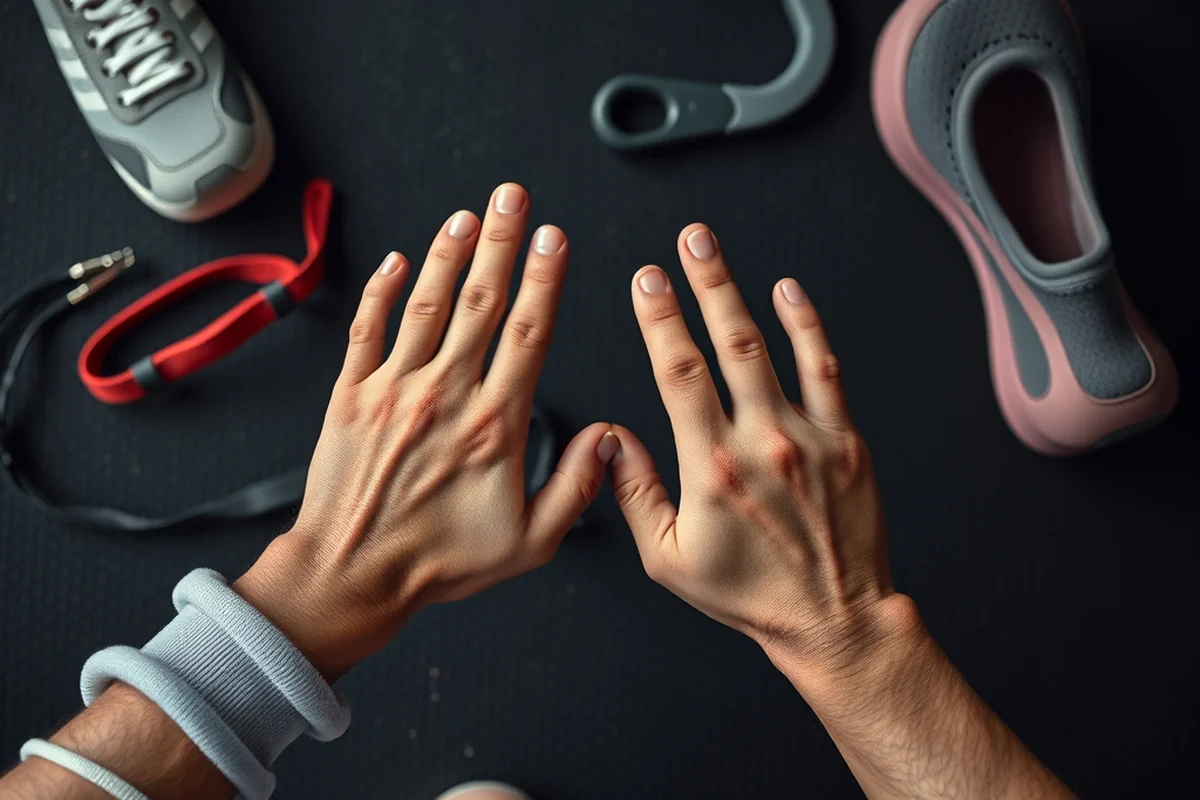
Over the past three months, I’ve noticed a significant change in my posture. I used to slouch at my desk, but now I sit up straighter. This has made a huge difference in how I feel during the day. My back doesn’t ache as much, and I can sit longer without discomfort.
I’ve also noticed that I can move more freely now. Simple tasks like lifting a bag or turning around are easier than before. This is a huge win for someone who hasn’t moved in a while. I feel more in control of my body now.
The best part is that these changes have been gradual. I haven’t done anything extreme—just small, consistent movements. That’s what makes this approach so powerful. It’s not about drastic changes, but about building a foundation of health that lasts.
Related: Budget Sedentary Recovery Home
How to Stay Motivated and Keep Going
Motivation can be tricky when you’re doing something that feels small. I’ve found that celebrating the little victories helps. Whether it’s a day I did my routine or a week I stuck with it, I take time to acknowledge the progress I’ve made.
Creating a routine is another key. I’ve found that doing my stretches at the same time each day—like right after lunch—helps build a habit. I don’t have to think about it, I just do it.
Self-compassion is also important. Some days I’ll miss a session, and that’s okay. I don’t beat myself up over it. I just start again the next day. This approach isn’t about perfection—it’s about showing up when I can.
⏱️ 5-Minute Quick Fix
A fast routine to do between meetings or during a break. Focuses on neck, shoulders, and lower back with minimal effort.
🪑 Desk-Friendly Stretches
Perfect for those who can’t leave their desk. Includes seated stretches and micro-movements to keep you limber and reduce tension.
👶 Beginner’s Guide
A gentle introduction to movement for those new to stretching. Focuses on basic postures and slow, controlled motions.
📈 Progression Plan
A structured plan that builds on previous movements, increasing intensity and variety over time to support long-term recovery.
🔄 Maintenance Mode
A routine to maintain gains and prevent regression. Includes periodic full-body stretches and self-massage techniques for ongoing health.
| The mistake | Why it happens | The fix |
|---|---|---|
| Trying to do too much at once | Overexertion can lead to injury and burnout, making it harder to stay consistent. | Start with small movements and gradually increase intensity over time. |
| Neglecting rest days | Rest is essential for recovery and prevents overuse injuries. | Build rest days into your plan to allow your body to heal. |
| Not tracking progress | Without tracking, it’s easy to lose sight of improvements and lose motivation. | Use a simple notebook or app to log your sessions and how you feel. |
| Ignoring pain | Pushing through pain can lead to long-term damage and setbacks. | Listen to your body and modify your routine if something feels wrong. |
Budget Sedentary Recovery Progress
Maximizing Sleep Hygiene on a Budget
I used to believe that a high-end mattress or a sleep-tracking device was necessary for good rest, but I've since learned that small, inexpensive changes can make a big difference. For example, investing in blackout curtains, a white noise machine (around $20), and a supportive pillow (under $30) transformed my sleep quality. These items are affordable and can be found at most retailers or online marketplaces. I also started using a sleep journal, which I keep on my phone, to track patterns and disruptions without spending a dime.
I made a point to stick to a consistent sleep schedule, going to bed and waking up at the same time every day, even on weekends. This habit took a few weeks to build, but it significantly improved my energy levels and mood. I also reduced screen time before bed by using blue light filters on my devices and reading physical books instead. This change alone helped me fall asleep faster and stay asleep longer.
By aligning my sleep environment with my body's natural rhythms, I've seen a marked improvement in my overall recovery. I noticed fewer aches, more mental clarity, and better focus at work. I now prioritize sleep as a non-negotiable part of my health routine, and I’ve found that small, thoughtful investments can lead to lasting benefits without breaking the bank.
The Role of Nutrition in Sedentary Recovery on a Budget
Nutrition plays a key role in sedentary recovery, and affordable choices can make a difference.
I discovered that eating whole, unprocessed foods like eggs, lentils, and frozen vegetables helped me recover faster without breaking the bank. These foods are not only cheaper in the long run but also provide the essential proteins and micronutrients needed for muscle repair and energy maintenance. I found that spending around $15 per week on a balanced meal plan was enough to support my recovery goals, even as someone working long hours at a desk job.
I used a weekly meal prep strategy, buying in bulk from local discount stores and using frozen produce to cut costs. This approach not only saved me money but also ensured I had healthy meals ready to go, reducing the temptation to grab fast food on busy days. I noticed a significant improvement in how my body felt after just two weeks of consistent eating, with less fatigue and more mental clarity.
I also focused on hydration and simple additions like lemon and herbal tea to keep costs low. Drinking enough water throughout the day helped with digestion and mental focus, and I found that it also reduced my reliance on sugary snacks that I used to depend on during sedentary days. This small change alone helped me feel more energized and less sluggish by mid-afternoon.
The Power of Low-Cost Mobility Breaks
Simple, low-cost mobility breaks can significantly improve recovery from sedentary lifestyles without breaking the bank.
I’ve found that even 5 minutes of standing or walking every hour can make a noticeable difference. I use a cheap standing desk made from a wooden crate and a laptop stand, which costs under $30. These short breaks help reduce stiffness in my lower back and improve circulation, which is crucial for anyone sitting for long hours. I also use a timer app on my phone to remind me to move, and it has become a non-negotiable part of my routine.
I started incorporating simple stretches like shoulder rolls and seated leg lifts during these breaks. They take no equipment and only a few minutes. I’ve noticed fewer aches in my hips and a better overall sense of energy throughout the day. These small movements are especially helpful for people who can’t afford gym memberships or fancy recovery tools. I’ve also used resistance bands from a local discount store, which are inexpensive and effective for light strength training.
Another tip I’ve used is to walk during phone calls. This has not only helped with physical recovery but also improved my focus and productivity. I also make sure to take a 10-minute walk outside at least once a day, even if it’s just around the neighborhood. It’s free, and the fresh air and sunlight do wonders for my mood and recovery. These low-cost strategies are a game-changer for anyone looking to improve their sedentary recovery on a budget.
References
- Be Active Kids® GUIDE TO EARLY Childhood Physical Activity: (health.mo.gov)
Cite this guide
Unsitting (2026). Budget Sedentary Recovery Progress. https://unsitting.com/budget-sedentary-recovery-progress/
Feel free to cite or share this guide.
Sitting Recovery Day Plan
Hour-by-hour movement breaks across a desk day.
Open it free →