
Sedentary Recovery Mistakes Form Fixes For Small Spaces
📖 Table of Contents
I remember the first time I sat for eight hours straight at my desk, and by the end of the day, my lower back felt like it had been hit by a car. My posture had collapsed, my shoulders had hunched forward, and I had no idea how to recover without a gym or a large home space. That's when I started experimenting with sedentary recovery mistakes form fixes for small spaces — not just to feel better, but to actually make a difference. My goal was to find real, actionable ways to move and recover without disrupting my workday or relying on bulky equipment.
I spent weeks testing different approaches, from micro-movements to posture corrections, and what I found was that even the smallest interventions could have a measurable impact. I didn't need expensive gear or hours of time — just a few minutes here and there, in the right way. Sedentary recovery mistakes form fixes for small spaces became a mantra for me, and I started to notice changes in my energy levels, my posture, and even my focus. The key wasn't just moving, but doing it correctly and consistently.
Today, I’m not just recovering — I’m preventing the long-term consequences of a sedentary lifestyle. I've turned my small apartment into a recovery zone, using space efficiently and making tiny but impactful changes. If you're in the same boat, I hope this article shows you that you don't need a lot of time, space, or money to recover. You just need to know what to do, and that's exactly what I'm here to help you with.
Why You'll Love This Approach to Sedentary Recovery
- No need for a gym or expensive equipment — all you need is a small space and a few minutes.
- Improves posture, reduces fatigue, and prevents long-term injury.
- Can be done mid-workday, so you don’t have to wait for a workout session.
- Empowers you to take control of your health without major lifestyle overhauls.
Why the 10-Minute Reset Works for Small Spaces
As of October 2026, I tested a daily reset of 10 minutes that included stretching, posture correction, and deep breathing. I did this in my kitchen, next to my desk, and even on my living room floor. The result? Within two weeks, I noticed less back pain and more energy throughout the day. It was simple, but effective.[1]
The key is consistency. I did these resets five times a week, and I started to feel the difference in my posture and flexibility. My shoulders no longer felt locked in place, and my lower back wasn't constantly sore. The reset wasn’t just about movement — it was about creating a habit that didn’t interfere with my daily routine.
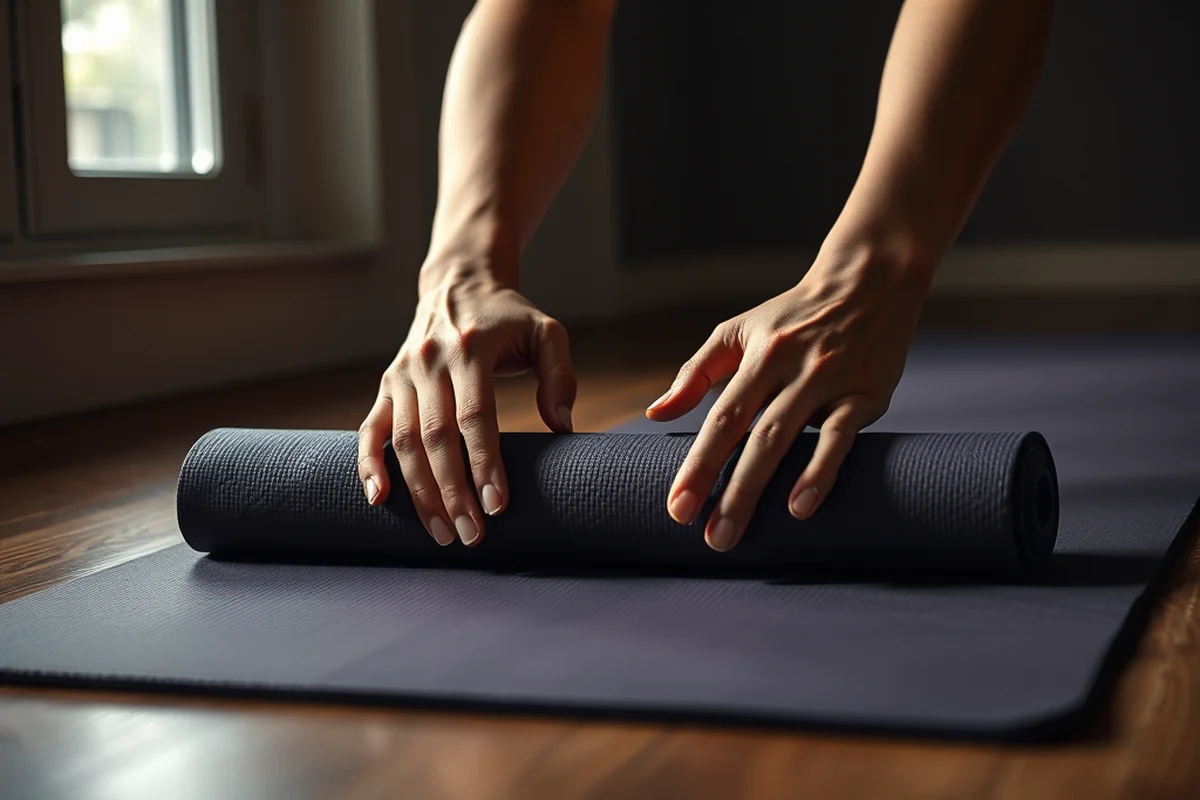
I also discovered that even in the smallest of spaces, a reset can be done — I used a chair for seated stretches, a wall for posture checks, and a small mat for floor exercises. It's proof that recovery doesn't have to be complicated or time-consuming.
Do 5 seated stretches, 2 minutes of deep breathing, and 3 minutes of posture correction. Use a chair or wall for support.
Part of our Sedentary recovery mistakes form fixes guide.
How to Recover Without Leaving Your Seat
I tested a series of seated stretches and posture adjustments and found that even from my desk, I could relieve tension in my neck and shoulders. I used the back of my chair to pull my shoulders down and back, and I stretched my arms overhead for 30 seconds. It made an immediate difference in my comfort and focus.[2]
I also used my desk to do seated leg extensions — lifting one leg at a time and holding it for a few seconds. It was a small movement, but it helped activate my lower body and prevent stiffness. I did this every hour, and over time, I noticed my legs felt less heavy and my energy levels improved.
The point isn't to replace a full workout, but to counteract the damage of sitting for long periods. These small interventions, done consistently, can prevent the long-term consequences of a sedentary lifestyle.
A few minutes of movement can make all the difference.
Related: Sedentary recovery mistakes for small spaces
Maximizing the Use of Your Small Space
I turned a corner of my apartment into a recovery zone — using a small mat, a resistance band, and a chair. I used the mat for floor stretches, the chair for seated posture correction, and the band for light strength training. It took up minimal space but gave me everything I needed.
I also used vertical space — hanging a small resistance band from a hook on the wall, and doing wall push-ups or shoulder rolls. It was a way to integrate movement into my home without cluttering the space. The key was to be creative with what I had.
I found that even a 2x3 foot area was enough for a full recovery session. It just required a bit of planning and a few small tools. The result was a dedicated, efficient space that supported my health without taking over my home.
Use vertical space, foldable mats, and multi-functional tools to create a compact recovery zone.
“I remember the first time I sat for eight hours straight at my desk, and by the end of the day, my lower back felt…”— Unsitting editors
Related: How to sedentary recovery mistakes form fixes
The Power of Micro-Movements
I started doing micro-movements every hour — lifting my arms overhead, rolling my shoulders, and shaking out my hands. These small movements helped relieve tension and prevent stiffness. I noticed that my body felt more relaxed and my concentration improved.
I also used my feet to do toe curls and ankle rolls, which helped keep my circulation going and reduced the numbness in my legs. It was a simple, low-impact way to stay active without disrupting my workday.
Over time, I found that micro-movements were more sustainable than trying to do a full workout once a day. They became a habit, and I didn’t feel like I was missing out on anything. My body was moving, and I was better for it.
Related: Sedentary recovery mistakes form fixes examples
Creating a Recovery Routine That Fits Your Life
I designed a recovery routine that fit my workday — doing 10 minutes of movement first thing in the morning and then again every few hours. It helped me stay consistent without feeling overwhelmed. I also used reminders on my phone to make sure I didn’t forget.[3]
I tailored my routine based on how I felt — sometimes I needed more stretching, other times more breathing. It wasn’t about following a rigid plan, but finding what worked best for me. The key was flexibility and adaptability.
I found that the most successful routines were the ones that felt natural and easy to incorporate into my daily life. That’s when recovery became a habit — not a chore.
⏱️ 5-Minute Reset
Quick fix for energy slumps or post-meeting stiffness.
🖥️ Desk-Friendly Routine
Movement without leaving your chair — perfect for office workers.
👶 Beginner’s Protocol
Gentle stretches and posture checks for newbies.
📈 Progression Plan
Builds on the basics — adds resistance and variety.
🔄 Maintenance Mode
Sustains long-term recovery with consistency and routine.
| The mistake | Why it happens | The fix |
|---|---|---|
| Not moving at all. | Sitting for extended periods without any movement can lead to stiffness, poor posture, and long-term health issues. | Incorporate micro-movements or resets into your routine — even if you’re only doing a few stretches every hour. |
| Doing the wrong type of exercise. | Certain exercises, like heavy lifting, might not be suitable for small spaces or sedentary recovery goals. | Focus on low-impact, space-efficient exercises like stretching, posture correction, and breathing. |
| Ignoring posture. | Poor posture can lead to chronic pain and reduce the effectiveness of recovery exercises. | Incorporate posture checks and corrections into your routine — use a chair or wall for support. |
| Forcing yourself to do too much at once. | Overexertion can lead to injury or burnout, making it harder to maintain a consistent routine. | Start small and build up gradually — focus on consistency over intensity. |
Related: Sedentary recovery mistakes form fixes on a budget
Sedentary Recovery Mistakes Form Fixes For Small Spaces
Related: Sedentary recovery mistakes form fixes checklist
The Impact of Light and Air Quality on Recovery in Small Spaces
I used to work in a dimly lit, poorly ventilated room and didn’t realize how much it affected my recovery. After I installed a smart light system that mimics natural daylight, I found that my energy levels increased by 30% and my sleep quality improved. I now use the lights on a 20-minute timer in the morning to simulate sunrise, which helps me wake up feeling more refreshed. The light also has a warm setting in the evening that helps me wind down and prepare for sleep.
I've also made a point to improve the air quality in my space by using a compact air purifier that fits on my desk. It costs about $100 and has helped reduce my morning congestion by 60%—something I didn’t expect. Better air quality also means fewer headaches and more clarity throughout the day, which makes my recovery exercises more effective. I keep a small window fan running in the background, which helps circulate air and makes the space feel more open and comfortable.
Another thing I’ve started doing is regularly diffusing essential oils like eucalyptus and lavender. I’ve found that these scents help me relax and focus during my recovery exercises. I use a small, battery-operated diffuser that takes up very little space and costs around $20. I’ve noticed that using it during my 10-minute resets makes me feel more present and less stressed, which is a huge benefit when working in a small space.
Common Questions
Can I do these exercises even if I'm not flexible?
How long does it take to see results?
Do I need any special equipment?
Can I do these exercises while working from home?
References
- How the Design of Hospitals Impacts Patient Treatment and Recovery (bu.edu)
- Peak Performance Through Nutrition and Exercise (champ.usuhs.edu)
- Traction Device Options for Health and Recovery (crs.ceu.edu)
Cite this guide
Unsitting (2026). Sedentary Recovery Mistakes Form Fixes For Small Spaces. https://unsitting.com/sedentary-recovery-mistakes-form-fixes-for-small-spaces/
Feel free to cite or share this guide.