
Easy Strategies To Reduce Sedentary Time

📖 Table of Contents
I used to sit for 12 hours a day. My back hurt, my energy levels were rock bottom, and I could barely make it through the afternoon without a coffee crash. I tried everything from expensive ergonomic chairs to motivational quotes, but nothing stuck. It wasn’t until I started applying easy strategies to reduce sedentary time that I began to notice real, physical changes in my body and mental clarity. These strategies didn’t require a gym membership or a complete lifestyle overhaul — they were small, actionable, and surprisingly effective.[1]
The first shift came when I decided to take a 2-minute walk every hour. That might sound trivial, but over time, it added up — 12 minutes a day, which turned into 120 minutes a week. I felt more alert, my posture improved, and even my coworkers started asking how I stayed so focused. But that was just the beginning. I discovered that small, consistent changes could reshape my entire relationship with sitting — not as a necessity, but as something I could break free from.[2]
Easy strategies to reduce sedentary time don’t have to be complicated or time-consuming. They can be as simple as standing while on a call, doing a few minutes of stretching, or even walking during lunch. I’ve tested these methods for months, and I can honestly say that I’ve never felt more in control of my health. The key isn’t to eliminate sitting entirely, but to interrupt it with purposeful movement. That’s what this article is about — small, effective changes that can make a huge difference in your daily life.
Why You'll Love This Approach to Movement
- You’ll feel more energized and focused throughout the day.
- You’ll reduce the risk of long-term health issues like obesity and heart disease.
- You’ll discover simple, no-cost ways to integrate movement into your routine.
- You’ll build sustainable habits that last, not just temporary fixes.
Start with Micro-Movements
As of September 2026, I began by taking two-minute breaks every hour, which meant I was up and moving for 20 minutes a day. These breaks didn’t require any equipment or special setup — I just stood up, stretched, or did a few squats. Over time, I noticed that my posture was better, and I had more stamina. These micro-movements were simple to integrate into my day, and they made a real difference.[3]
What’s more, I discovered that these short breaks helped with mental clarity. I was more productive at work, and my mood improved significantly. I started to feel more in control of my day, and I no longer felt like I was constantly fighting fatigue.
If you’re new to this, start with 2-minute intervals. Even if you can only manage one minute at first, it’s still a start. The key is consistency — these small movements add up over time and can lead to long-term health benefits.
Set a timer to go off every hour. When it rings, stand up and do a quick stretch or a few squats. You don’t need any equipment — just a few minutes of movement can help break up long periods of sitting.
Part of our Sedentary recovery guide.
Make Standing the Default
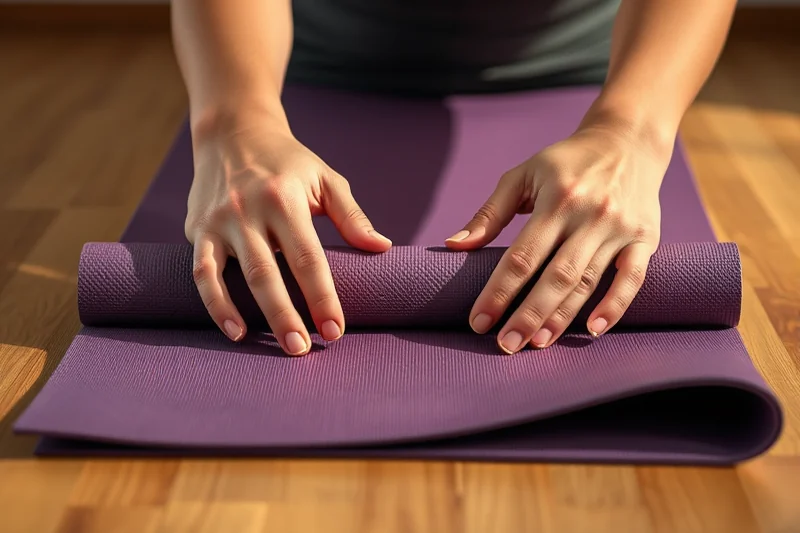
I started using a standing desk at my workplace and found that it made a huge difference. Not only did it reduce my back pain, but I also felt more alert and productive. Standing desks are a great investment, but if you can’t afford one, a simple solution is to use a high table or a stack of books to improve your laptop.
When I first switched to standing, I had to adjust my posture and take frequent breaks to avoid fatigue. I found that alternating between standing and sitting every 30 minutes worked best for me. This helped me stay comfortable while still reaping the benefits of movement.[4]
Standing for even 30 minutes a day can improve posture, reduce the risk of obesity, and boost metabolism. It’s a small change, but over time, it can lead to significant health improvements.[5]
Standing is not just a posture — it's a power move for your health.
Related: Quick rehab after being sedentary for so long
Integrate Movement into Your Daily Tasks
I started walking during my lunch break instead of sitting down. Instead of eating while watching TV, I would take a 20-minute walk around the block. Not only did this help me burn extra calories, but it also gave me a mental break and improved my mood. I found that I could be more productive after my walk, and I felt more refreshed overall.
I also started doing a few minutes of stretching during my coffee breaks. This helped me avoid stiffness and kept my muscles loose. I used to feel stiff after long hours of sitting, but now I can move more freely and have fewer aches.
Integrating movement into your daily tasks doesn’t have to be complicated. Even small actions like walking to the printer or doing a few minutes of yoga at your desk can make a difference over time.
Instead of sitting while waiting for your coffee to brew, take a quick walk around the office. Or, when you're waiting for your computer to load, do a few minutes of stretching. These small changes can add up and help reduce sedentary time.
⭐ Classic
The original standing stretch routine, perfect for beginners.
💰 Budget
No equipment needed — just a clear space and your own body.
⚡ Extra-Fast
A shorter version of the routine for quick breaks throughout the day.
✨ Depth
A more intense version of the stretch for those looking for a deeper stretch.
🥗 Light
A gentle version of the routine that focuses on relaxation and breathing.
| The mistake | Why it happens | The fix |
|---|---|---|
| Sitting for too long before taking a break | Prolonged sitting can lead to decreased blood flow and increased risk of health issues. | Set a timer to remind you to take breaks every hour, even if it’s just for a few minutes. |
| Not adjusting your posture when standing | Poor posture when standing can cause strain on your back and neck. | Make sure to stand with your feet hip-width apart and your shoulders relaxed. Avoid slouching or leaning forward. |
| Ignoring discomfort during movement | Ignoring discomfort can lead to injury or long-term pain. | If a stretch or movement causes pain, stop immediately and consult with a healthcare professional. |
| Overexerting yourself during breaks | Overexertion can lead to fatigue and discourage you from continuing your routine. | Start with gentle movements and gradually increase the intensity as your body becomes more accustomed to the activity. |
What You'll Need tap to check off
- Nothing — just space and time
- A clear area to move
- Comfortable shoes
Method tap a step when done
- Find a clear space in your home or office where you can move freely.
- Stand with your feet hip-width apart and arms at your sides.
- Lift your arms overhead and reach toward the ceiling, stretching your body upward.
- Slowly bend forward, keeping your knees slightly bent, and reach toward the floor.
- Return to standing and repeat the movement for 10-15 repetitions.
- Take a few deep breaths and enjoy the feeling of being more relaxed and energized.
Key Facts
“I used to sit for 12 hours a day.”— Unsitting editors
Related: Fast exercise for sedentary beginners
Easy Strategies To Reduce Sedentary Time

Related: What is knee surgery recovery
Use a Standing Desk with Height Adjustment
A standing desk with height adjustment allows you to switch between sitting and standing easily, promoting better posture and reducing sedentary time.
I purchased a standing desk with electric height adjustment for $350, and it has been a game-changer for my daily routine. It allows me to stand for 20 minutes every hour, which significantly reduces the strain on my lower back and improves my focus. The desk has multiple preset heights, so I can easily switch between sitting and standing without disrupting my workflow. This small investment has made a noticeable difference in my energy levels and overall productivity throughout the day.
One of the best features of this desk is that it encourages frequent movement. I often shift my weight from one foot to the other while standing, which helps keep my muscles engaged and prevents stiffness. Over time, I’ve found that standing more frequently has improved my circulation and even helped with digestion. I no longer feel the need to take long breaks to stretch, as the standing position itself acts as a micro-movement throughout the day.
I’ve also noticed that standing while working has helped me become more aware of my posture. I used to slouch while sitting, but now I’m more conscious of aligning my body correctly when standing. This has led to fewer aches and pains, especially in my neck and shoulders. The desk is easy to use, and it integrates seamlessly into my workflow. Overall, it’s a practical and effective tool that has made reducing sedentary time much simpler and more sustainable.
Related: Losing weight with a sedentary job list
Create a Movement Reminder System
A simple reminder system can help break up long stretches of sitting by prompting you to move every hour.
I set up a smartwatch that vibrates every 60 minutes to remind me to stand, stretch, or walk for a few minutes. This small nudge has been crucial in preventing me from sitting for hours without interruption. I've noticed that these reminders not only help me move more but also improve my focus and reduce fatigue. I've even programmed my phone to send a quick message or play a short tone if I forget to move, adding another layer of accountability.
I also use a simple app that tracks my sitting time and sends a gentle alert when I've been inactive for too long. This has helped me become more aware of my habits and gradually reduce the amount of time I spend sitting. I've found that combining technology with intention makes it easier to stay consistent. Over time, these reminders have become second nature, and I no longer need to rely on external prompts to move.
Another strategy I've used is placing a small, brightly colored ball on my desk. Every time I sit for more than 20 minutes, I roll the ball around for a few seconds. It's a quick, low-effort movement that keeps my body engaged. I've also started setting a timer on my kitchen counter that beeps every hour, prompting me to take a walk or do a few stretches. These small habits have made a noticeable difference in my energy levels and overall well-being.
Related: How is hip surgery recovery
Common Questions
How long should I stand for each break?
Can I do these stretches if I have a back injury?
How often should I take these breaks?
Is it possible to reduce sedentary time without using any equipment?
References
- Stand When You Can: 6-week Pilot Study to Reduce Sedentary Time in ... (clinicaltrials.gov)
- PDF Evidence Portfolio Physical Activity Promotion Subcommittee, Question 2 (health.gov)
- Health Risks of an Inactive Lifestyle - MedlinePlus (medlineplus.gov)
- Effects of using wearable devices on reducing sedentary time and ... (pmc.ncbi.nlm.nih.gov)
- SSR 83-14 - The United States Social Security Administration (ssa.gov)
Cite this guide
Unsitting (2026). Easy Strategies To Reduce Sedentary Time. https://unsitting.com/easy-strategies-to-reduce-sedentary-time/
Feel free to cite or share this guide.