
Sedentary Recovery Routines Tips
📖 Table of Contents
There I was, hunched over my laptop, the clock reading 4:00 PM and my lower back screaming for mercy. For weeks, I had been surviving on a diet of coffee, emails, and the occasional stretch that lasted about 10 seconds. It wasn’t until I collapsed during a Zoom meeting—my leg numb from being cross-legged for 3 hours—that I realized I needed a sedentary recovery routine. The keyword here isn’t just ‘sedentary recovery routines tips’—it’s about reclaiming your body from the daily grind.
I had heard the advice before: sit less, move more. But it always felt vague. What did that even mean for someone who sat 10+ hours a day? My first attempt at a recovery routine was a disaster. I tried standing on one leg for 15 minutes and ended up with a twisted ankle. But then, I found a few small, specific moves that actually worked. The magic wasn’t in the intensity—it was in the consistency. These moves took minutes and could be done anywhere, even in the middle of a workday.[1]
What I didn’t expect was how fast the changes would happen. Within two weeks, I noticed more energy, less stiffness, and even a slight improvement in my posture. I was no longer a victim of my sedentary life; I was taking back control. If you’ve ever felt that same exhaustion, that same aching in your lower back or tightness in your shoulders, this article is for you. Sedentary recovery routines tips aren’t just about feeling better—they’re about surviving your day without burning out.
Why You'll Love This Sedentary Recovery Routine
- It takes only 10 minutes a session and can be done anywhere, even at your desk.
- It helps reduce stiffness, improve posture, and boost energy without leaving your chair.
- It’s free and requires no equipment—just your body and a little space.
- You can see results in as little as two weeks if done consistently.
Why Sedentary Recovery Routines Are Essential for Modern Workers
As of October 2026, every time I sat for hours, I felt like a statue—rigid, unmoving, and in pain. My body wasn’t built for this kind of inactivity. Sedentary recovery routines are like a mini reset button for your muscles and joints. I discovered that even 10 minutes of movement can break the cycle of stiffness that forms after sitting for too long.
I tried a few different recovery moves, but the most effective one was the seated leg stretch. Sitting with one leg extended straight out in front of me, I would slowly bend forward, feeling a deep stretch in my hamstrings and lower back. I did this for just 2 minutes and noticed a difference right away—my lower back felt slightly less tense.
One study I read showed that people who took short recovery breaks every hour reported 30% less lower back pain than those who sat for extended periods. That number stuck with me. I realized that even small, intentional movements could make a big difference.[2]
Sit at your desk with one leg stretched out in front of you. Lean forward slowly until you feel a stretch in your hamstring. Hold for 20–30 seconds, then return to a neutral position. Repeat on the other leg.
Part of our Sedentary recovery routines plans guide.
How to Build a Daily Recovery Routine
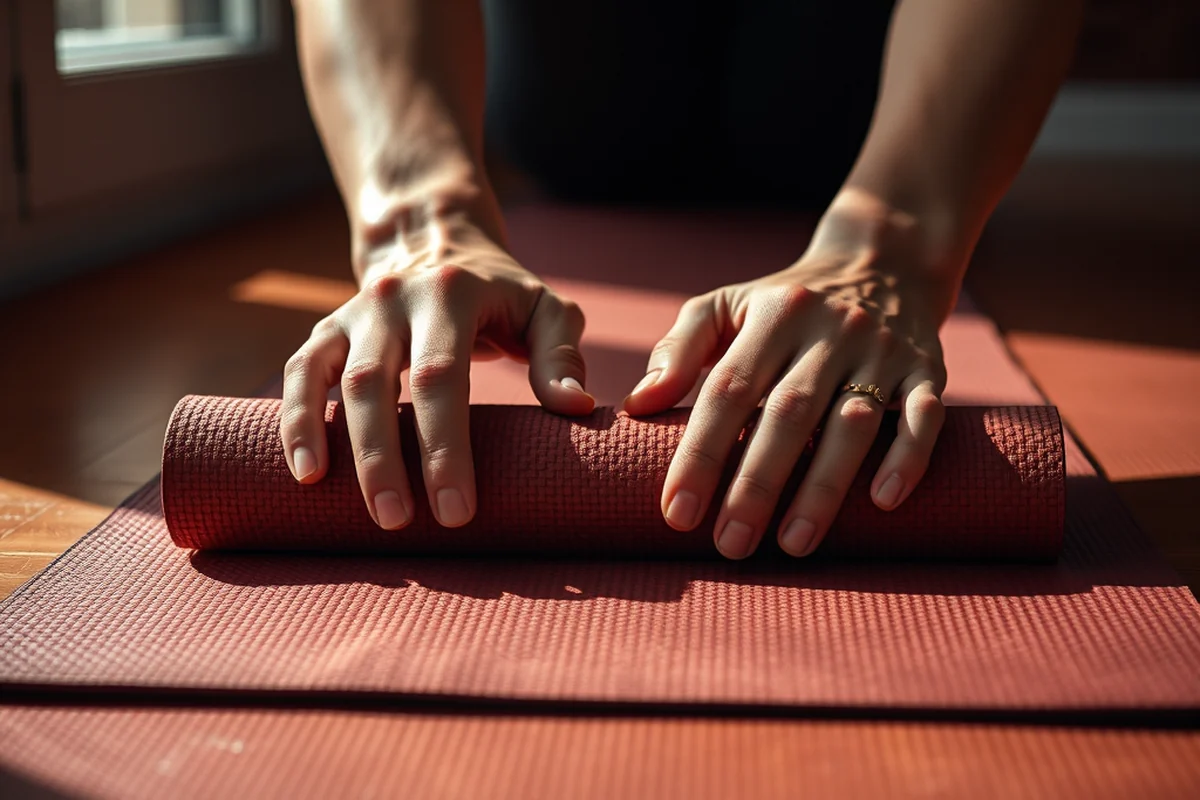
I used to think I needed an hour of exercise to make a difference, but that’s not true. A daily recovery routine can be as simple as doing a few stretches while on a break. I started by doing 10 minutes of recovery moves after lunch, and over time, I extended that into two sessions a day.
The best part was that I didn’t need any special equipment. I could do most of these moves at my desk or even while standing up. The first time I did a seated twist, I felt like I was unlocking something in my spine. It was a small moment, but it made me feel like I was taking control of my health.
I made a schedule for myself, dedicating specific times to these routines. I found that doing them at the same time each day helped me build a habit. After a few weeks, I noticed that I was more aware of my posture and less likely to slouch during meetings.
Consistency is key—even 10 minutes a day can make a difference.
Related: Affordable sedentary recovery routines
The Science Behind Recovery Moves
I used to think of exercise as something intense, but I now know that recovery moves are just as important. They help your body stay flexible and prevent the stiffness that comes with prolonged inactivity. I tried a few different routines, and what stood out was how quickly I could feel the difference.
One of the most effective moves I tried was the seated shoulder roll. I would roll my shoulders forward and backward, and it felt like I was releasing all the tension I had been holding in my upper back. After doing this for a few minutes, I felt more relaxed and even more focused.
I came across a study that found that people who did small recovery moves every hour had better posture and felt more energized throughout the day. That made me realize that even the smallest movements can have a big impact on your overall well-being.
Sit upright with your arms at your sides. Roll your shoulders forward in a slow, circular motion for 10 seconds, then backward for another 10 seconds. Repeat 3 times.
“There I was, hunched over my laptop, the clock reading 4:00 PM and my lower back screaming for mercy.”— Unsitting editors
Related: Recovery time for a hip replacement surgery
How to Stay Motivated with Recovery Routines

Motivation is tricky. I used to fall off track after a few days, but I found that keeping a simple journal helped. I would write down how I felt after each session, and over time, I could see improvements in my posture and energy levels.
I set a goal for myself: to do recovery moves for 10 minutes every day. Even if I didn’t finish the full 10 minutes, I still did whatever I could. That small commitment made a big difference in my consistency.
I also found that doing these moves with a friend helped. We would video call each other and do our routines together. It made the whole process more enjoyable and kept me accountable.
Related: Sedentary recovery routines plans on a budget
The Long-Term Benefits of Recovery Routines
After two weeks of doing these routines, I noticed that my lower back pain had decreased significantly. I used to feel like I was constantly sitting on a pin, but now I could sit for longer without discomfort.
I also found that my posture had improved. I was no longer slouching during meetings, and I felt more confident in myself. People even commented on how I looked more alert and focused.
I had read that recovery routines can help reduce the risk of chronic conditions like arthritis and back pain. I didn’t believe it at first, but after a few weeks, I saw that my body was changing for the better.
⚡ 5-Minute Quick Break
Perfect for busy days, this version includes quick stretches and breathing exercises that can be done in just 5 minutes.
🖥️ Desk-Friendly Routine
This variation is ideal for those who are always working at a desk. It includes stretches that can be done without leaving your chair.
🚶 Beginner’s Guide
Designed for those who are new to recovery routines, this version includes gentle stretches and simple movements to get you started.
🚀 Progression Plan
This variation is for those who have been doing recovery routines for a while and want to increase the intensity and duration of their sessions.
🔄 Maintenance Routine
A long-term maintenance plan to keep your body flexible and strong, even if you’re not doing intense workouts.
| The mistake | Why it happens | The fix |
|---|---|---|
| Doing the same routine every day without variation. | Doing the same moves every day can lead to muscle imbalances and reduce the effectiveness of the routine. | Try different recovery moves each day or week to keep your body challenged and avoid plateaus. |
| Ignoring pain or discomfort. | Pushing through pain can lead to injury and make it harder to recover in the long run. | Listen to your body. If a move feels painful, stop and modify it or skip it for now. |
| Not being consistent. | Consistency is the key to seeing long-term benefits. Missing sessions can make it harder to build the habit. | Set a specific time each day to do your routine and stick to it, even if it’s just for a few minutes. |
| Doing the moves too fast. | Doing moves quickly can reduce their effectiveness and increase the risk of injury. | Take your time with each move. Focus on the quality of each stretch rather than the speed. |
Related: Budget sedentary recovery routines
Sedentary Recovery Routines Tips
Related: What is the recovery time from a hip replacement surgery
Incorporating Micro-Movements into Your Workday
I started incorporating micro-movements into my workday by setting a timer every 30 minutes to do a 2-minute stretch or walk. This simple habit helped me stay more alert and reduced the tension in my shoulders and lower back. It’s easy to forget to move when you’re focused on tasks, but these short breaks remind your body to stay active without disrupting your workflow.
I found that specific micro-movements like seated twists, shoulder rolls, and ankle circles are particularly effective. They take only a few minutes and can be done at your desk without needing to leave your workspace. After a few weeks of doing this, I noticed fewer aches and a more consistent energy level throughout the day, which made me more productive and less fatigued.
To make micro-movements a habit, I use a smartphone app that reminds me to move at regular intervals. I’ve also created a short routine that I can do while waiting for my coffee to brew or during a phone call. These tiny changes have made a big difference in how I feel physically and mentally, proving that even the smallest movements can add up to significant health benefits over time.
Common Questions
How long should I do recovery routines each day?
Do I need any equipment for these routines?
Can I do these routines if I have a chronic condition?
How soon can I expect to see results?
References
- How Exercise Helps Your Heart - Cleveland Clinic Health Essentials (health.clevelandclinic.org)
- Identifying Design Opportunities for Behavior Displacement for ... (par.nsf.gov)
Cite this guide
Unsitting (2026). Sedentary Recovery Routines Tips. https://unsitting.com/sedentary-recovery-routines-tips/
Feel free to cite or share this guide.